

Editorials
Clea DuVall: The Unsung Queer Icon of 90s and 00s Horror


Some people may find themselves tragically unaware of who Clea DuVall is. Even those who don’t know her name most certainly know her face. Clea DuVall is the alternative queer icon of the 90s and 00s you’ve seen in many movies and shows.
Coming Out in a Closeted Era
However, despite becoming a queer icon early on in her career with memorable roles in But I’m a Cheerleader and The Faculty, it wasn’t until 2016 that Clea DuVall officially came out to the public. Clea DuVall explained that to those closest to her, she came out as a lesbian at sixteen. As far as society at large was concerned, though, she told The Independent:
“I was very closeted and very afraid of people finding out I was gay […] It was the nineties; there was no conversation about sexuality – you were just not going to talk about it.”
She went on to tell The Independent that the release of cult favorite coming-of-age lesbian flick But I’m a Cheerleader was difficult since she was still in the closet at the time:
“It was dangerous for me […] It was such a scary time. Once it came out and we started the press cycle for it, I remember feeling like, ‘Oh shit, I need to hide, I need to stop.’”
The Struggle of Queer Identity
Clea DuVall’s anxiety about how society would react is the sad reality for many who live outside of heteronormative sexuality. How many remain in the shadows, not just because it’s no one else’s business, but because we’re afraid of how people will react?
I came out as bisexual as a teenager, although these days, if I had to label it, I’d consider myself pan (though 92% of the people in my life don’t know it). I am happily married, so frequently, I feel my sexuality is irrelevant – you won’t hear me talk about it often. However, Clea DuVall meant a lot to me in those years before and while I was coming out, feeling weird and isolated from everyone else.
A Beacon for the Queer Community
Even before publicly claiming her queerness, Clea DuVall was a queer icon and a reminder to those of us in the shadows that we weren’t alone. Given Clea DuVall’s significant importance to me, and so many others, it seems the perfect time to reflect on a few of her major roles in horror that gave queer representation and girl power, painting a landscape of the times.

The Faculty: Missed Opportunity for Lesbian Representation
When people think Clea DuVall in horror, the first thing that comes to mind tends to be The Faculty, where a team of teenagers tees off against a parasitic alien race controlling their teachers’ bodies. If anyone wants a snapshot of the 90s gothic grunge, look no further than Clea DuVall’s role as Stokely in this film.
Stokely captured just about everything that makes Clea DuVall’s characters so magnetic. She is clever, with a tough exterior, a sensitive side, and the ability to do what needs to be done. In another layer of depth, Stokely is a lesbian and is relentlessly bullied for it.
A Disappointing Twist
However, the movie quickly shoots itself in the foot by having Stokely proclaim at the end that she made up being a lesbian just to stir the pot, and she ends up with a male jock hero. Oh, the severity of the cringe.
While there are some obvious nods to the 80’s hit The Breakfast Club with this ending (as the “Basket Case” ends up with the jock, this time not totally transforming herself at least), the film missed an opportunity to follow through on lesbian representation.
Instead, it instituted more problematic stereotypes (such as people not being taken seriously about their sexual orientation, for starters.)
The 90s Cultural Context
I understand that being bisexual wasn’t regularly recognized in the mainstream in the nineties but come on. She could have at least been bi. It’s as if the film toys with the idea of introducing an iconic lesbian horror character but then changes their minds right at the end. That moment is a dark mark on what is otherwise a fun alien invasion horror movie.
Unfortunately, given the climate of the times, had the film followed through on the representation, Clea DuVall’s initial fears during But I’m a Cheerleader could have been realized. After all, The Faculty had a bigger budget, bigger studio, and bigger stars than But I’m a Cheerleader had. Logistically, more eyes were going to be on it. So many eyes might attract the powerful, hateful sort, or it could have made her uncomfortable. Then perhaps we wouldn’t have gotten Clea DuVall in the many roles that followed. Maybe we can think of it as a career-saving loophole to give us a lesbian character with a pacifier for the backlash. A necessary evil to ensure we’d see her in the catalog of productions that followed.

Girl Power in Ghosts of Mars
This sci-fi horror film by John Carpenter saw DuVall in a role that perfectly matched the energy we have come to expect from her characters. Her hard, masculine edge and simultaneous soft, caring femininity made her a perfect fit for the role of Bashira Kincaid, the rookie Mars Police Force officer who helps fight off the army of Mars’ undead.
Feminine Strength in Sci-Fi Horror
Ghosts of Mars is brimming with powerful feminine energy, as the film that also stars Jason Statham and Ice Cube sees Natasha Henstridge take the leading role as Lieutenant Melanie Ballard. She leads the squadron that sees herself and Bashira standing on the front lines against some pretty formidable alien spirits.
The film was the perfect vehicle for Clea DuVall’s all-encapsulating energy, which we’d already witnessed in another movie two years prior.

Everything at Once in Girl, Interrupted
Maybe it’s a leap to cover this role in depth for a horror blog, but the film’s dark tones and moments that stick with you forever make it worth mentioning. We got to see Clea DuVall in the role of Georgina, the patient of a 1960s mental institution, who had a childlike innocence and a penchant for pathological lying (or “Pseudologia fantastica.”)
Girl, Interrupted is another film packed with feminine energy, as the few male roles only exist as tools for the female characters. Interestingly, both girl power films also deal heavily with autonomy. Ghosts of Mars sees bodies being taken over by spirits and an innocent man being held prisoner, while Girl, Interrupted has heavy themes of freedom and imprisonment of both the mind and body.
The Duality of Georgina
The film highlighted Clea DuVall’s ability to tap into her softer side terrifyingly. Georgina wasn’t frightening because her dad was a member of the CIA and could have us all dead in minutes; Georgina haunts us because she exists in the juxtaposition of innocence and deceit. It is an excellent role for Clea DuVall because she can portray this middle ground seamlessly. Many of her parts have this ambivalent nature because whether it be feminine/masculine, strong/weak, outgoing/shy, Clea DuVall can and has been all of it at once. Giving her a role in an insane asylum allowed her to let her contradictory performance shine.
But, speaking of insane asylums…
The Real Horror in American Horror Story: Asylum
Though it was brief, Clea DuVall’s role as Wendy Peyser, the secret girlfriend of Lana Winters, is unforgettable.
Wendy is a pillar of her 1960s idyllic Massachusetts community, working as a schoolteacher. However, she harbors a dark secret that could cost her everything. You see, she is a lesbian in a loving relationship with reporter Lana Winters. Oh, the Floridian horror!
So, when Lana Winters finds out too much about the Briarcliffe Asylum, this relationship is used against Wendy to convince her to lock her girlfriend away in that asylum. Threatened with exposure, mindful of losing her job and her reputation, Wendy agrees. It’s a treacherous act for whom the broken system is to blame.
Commentary on Queer Struggles
It highlighted the intolerance of the times and the things that people were subjected to “keep the gay away.” (As if anyone who’s seen it could forget Lana Winters’ conversion therapy.)
The role makes an important commentary on how heavy the secret burden of one’s sexuality can be for fear of society’s blowback.
While these events were set in the fifties, Wendy Peyser’s plight isn’t so different from the plights of many today. “Don’t say gay” is the way in the state of Florida now, and the fifties suddenly don’t feel so long ago.
Clea DuVall’s Lasting Impact
This overarching theme of American Horror Story: Asylum echoed the plights, not only of Clea DuVall’s own but many in the LGBTQ+ community. Clea DuVall explained to Insider:
“Coming out is not an easy thing to do no matter who you are, no matter where you come from. We all have the opportunity to reach the other side and […] still deserve to be loved, and deserve to be accepted…”
“Wherever you are in that process, be nice to yourself. Like you’re going through something that is not gonna last forever, and you need to love yourself through it.”
A Voice for the LGBTQ+ Community
Clea DuVall is an underrated horror queer icon. Her appearances in horror tend to coincide with an important commentary about the plights and experiences of those in the queer community. Her role in The Faculty serves as a reflection of the times where to be a lesbian could cost one their job. Her involvement in Ghosts of Mars and Girl, Interrupted served us girl power at its finest while simultaneously delving into autonomy. Then, her appearance in American Horror Story: Asylum echoes the same resonance that The Faculty left behind. If you don’t know her name, you should.
May the woman of the hour receive the recognition she deserves. Let us know your favorite Clea DuVall role in the comments!


Horror Press’ exploration of catharsis this month lends itself naturally to the topic of satisfying horror movie deaths. While murdering people who vex you in real life is rightly frowned upon, horror allows us to explore our darker sides. Fiction gives us the catharsis and relief to allow us to survive that ineradicable pox that is other people. To that end, here are the 10 most satisfying deaths in horror movies.
PS: It goes without saying that this article contains a few SPOILERS.
The 10 Most Satisfying Deaths in Horror Movies
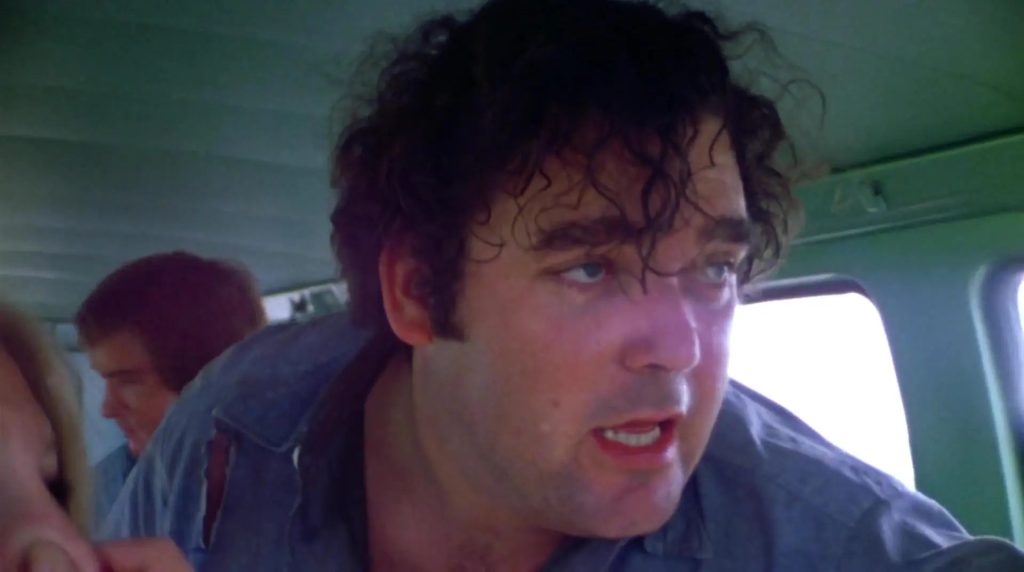
#10 Franklin, The Texas Chain Saw Massacre
I ranked this death from the original Texas Chain Saw Massacre lowest for two reasons. First, I think Franklin’s whole vibe is a perfect fit for the unnerving, overwhelming atmosphere of Tobe Hooper’s masterpiece. Second, I think it’s important for representation that onscreen characters from marginalized groups be allowed to have flaws. That said, Franklin Hardesty is one of the most goddamn annoying characters in the history of cinema. Endless shrieking and raspberry-blowing will do that for ya. His death via chainsaw comes as a profound relief. His sister Sally spends the next 40 minutes or so screaming nonstop, and that’s considerably more peaceful.

#9 Lori, Happy Death Day
This is less about the character herself and more about Tree’s journey. After watching her time-loop for so long, being thwarted at every turn, Lori’s poison cupcake is a real gut-punch. Tree’s vengeance allows her to break out of the time loop once and for all (until the sequel). It also allows us to rejoice in the fact that her work to improve herself hasn’t been for naught.
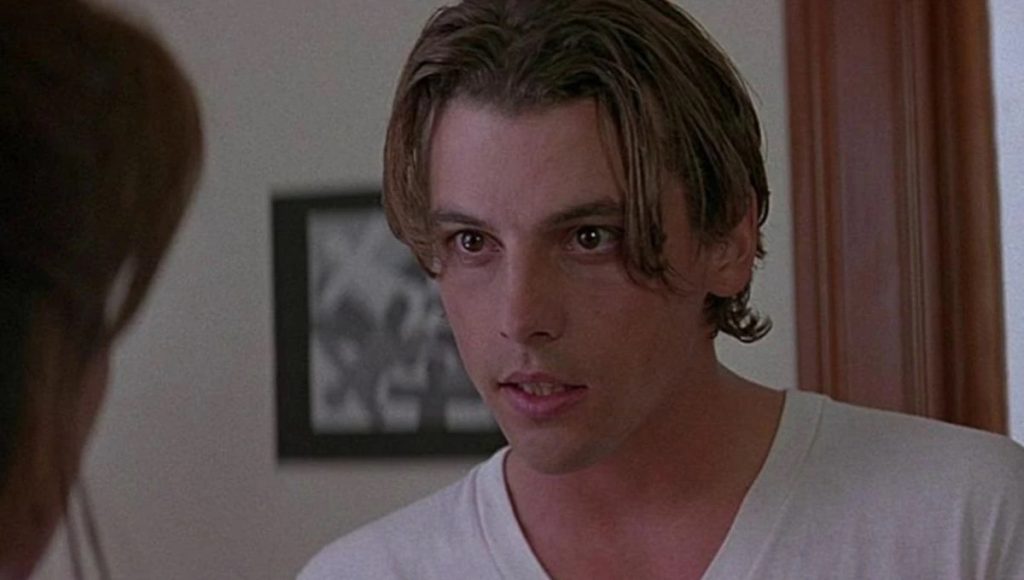
#8 Billy, Scream (1996)
There are a hell of a lot of satisfying kills perpetrated upon Ghostfaces in the Scream franchise. However, the original still takes the cake. Sidney Prescott curtly refuses to allow a killer to plug a sequel at the end of her survival story. Instead, she plugs him in the head, saying, “Not in my movie.” It’s not just a great ending to a horror movie. It’s a big middle finger to sleazy teenage boyfriends the world over.

#7 Crispian, You’re Next
Ooh, when Erin finds out that this rotten man has knowingly brought her along to a home invasion… His attempt to charm (and bribe) her might have won over a weaker person. But in addition to putting her in danger, he has willingly had his family slaughtered for money. Erin won’t stand for that, and her takedown of yet another Toxic Horror Boyfriend is cause for celebration.
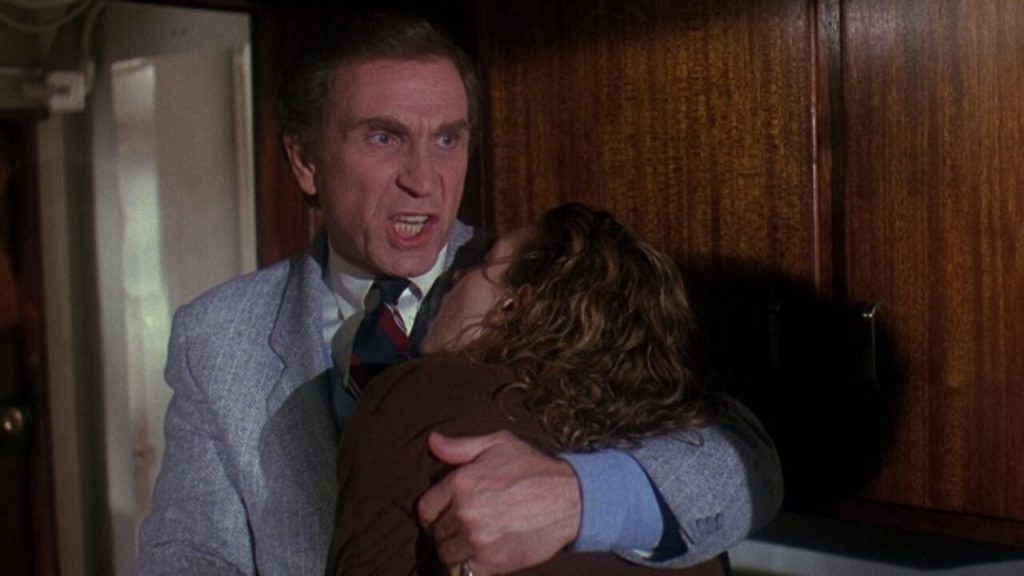
#6 Charles, Friday the 13th Part VIII: Jason Takes Manhattan
Charles McCulloch might be one of the nastiest characters in film history. While school administrators are hardly any student’s best friend, his cold cruelty is downright abnormal. How he manages to be simultaneously overbearing and wicked to his niece, Rennie, I’ll never know. But thankfully, Jason Voorhees drowns him in a vat of toxic waste, removing the need to solve that mystery. Not all heroes wear capes. Sometimes they wear hockey masks.
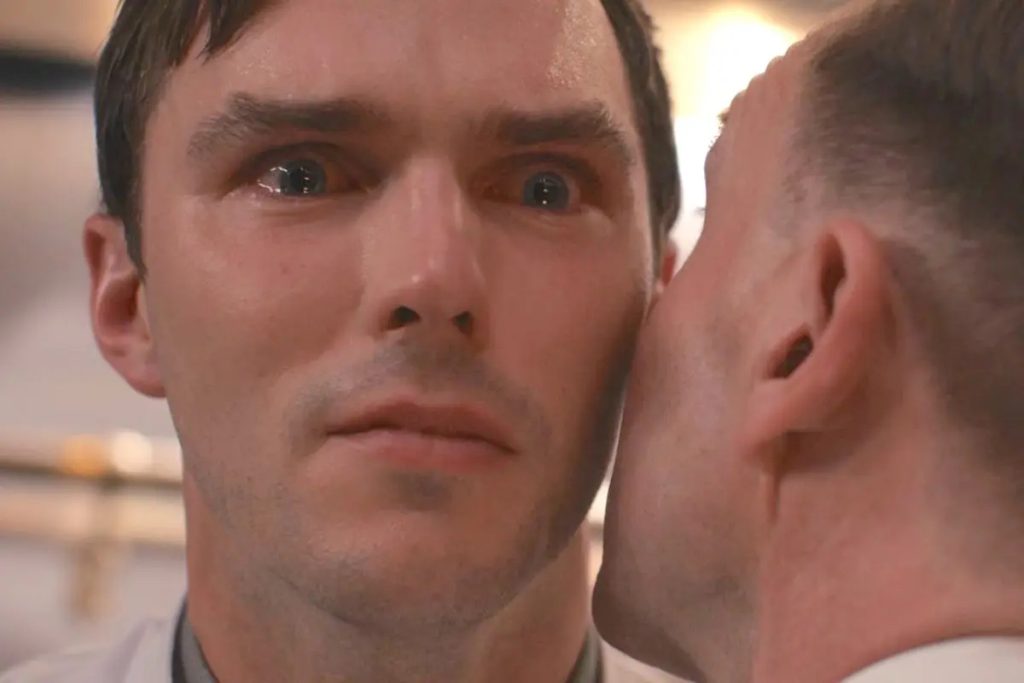
#5 Tyler, The Menu
Up next on the tasting tray of cinema’s worst boyfriends, we have Tyler. He’s not technically Margot’s boyfriend, because she’s an escort he invited to a fancy dinner. But he should still land in the hall of fame. That’s because he brought her despite knowing ahead of time that nobody was meant to leave the restaurant alive. Thankfully, he gets one of the best Bad Boyfriend deaths of them all. He dies at his own hands. By hanging. After being thoroughly humiliated with proof that all the mansplaining in the world can’t make someone a good chef. Delectable.
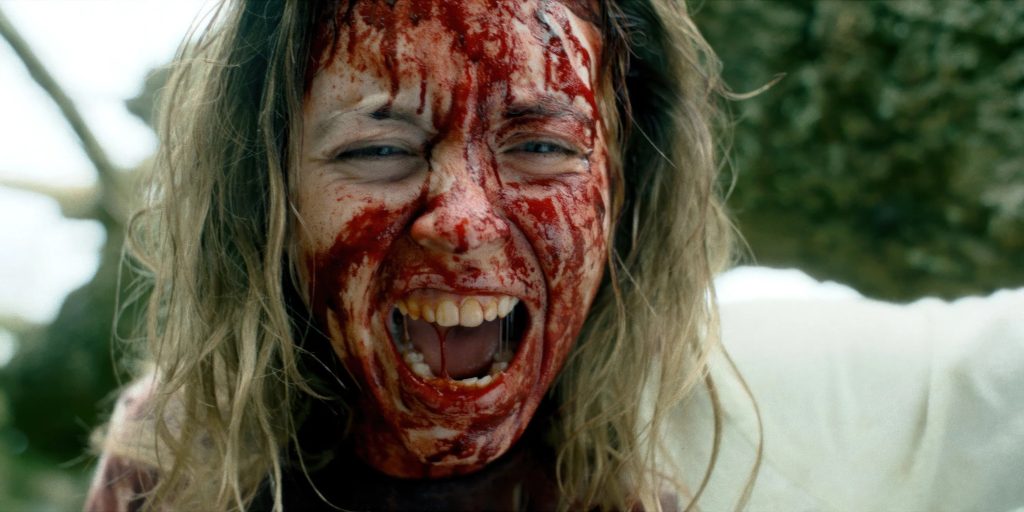
#4 The Baby, Immaculate
You may remember this kill from my Top 10 Child Deaths article. The ending of Immaculate is (there’s no other word for it) immaculate. Shortly after Sister Cecilia learns that she has been unwillingly impregnated with the son of Christ, she gives birth. Instead of letting the church manipulate her further after violating her body, she smashes that godforsaken thing with a rock. In the process, she sheds years of ingrained doctrine and sets herself free once and for all. This is the ending that Antichrist movies have historically been too cowardly to give us. The fact that this character is a potential messiah makes it that much more cathartic.
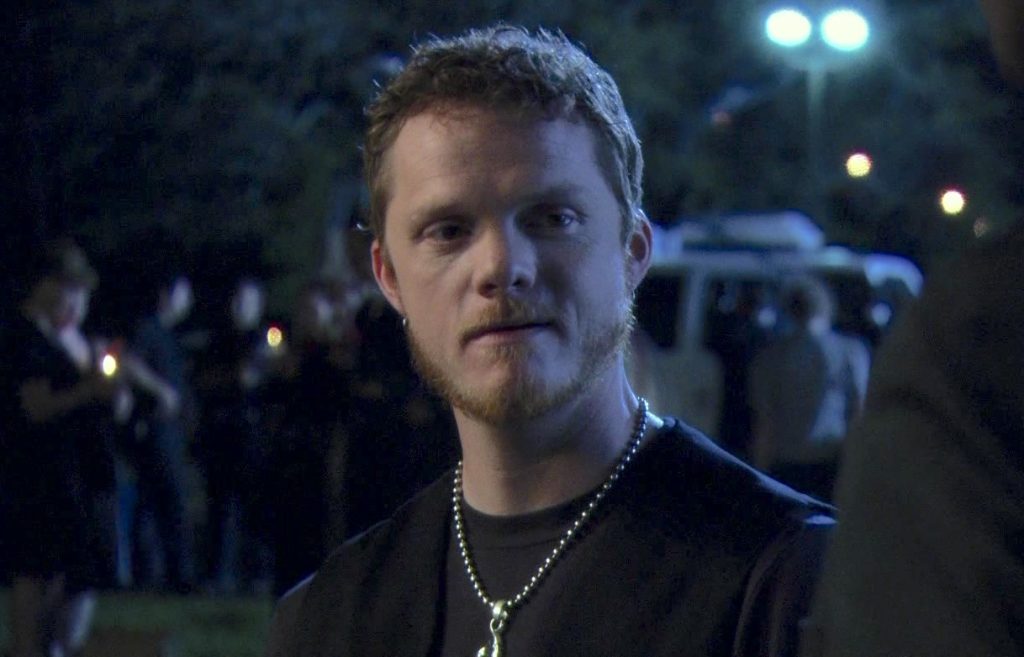
#3 Carter, The Final Destination
I mean, come on. This guy is literally credited as “Racist” at the end of the movie. Pretty much every Final Destination movie has an asshole character who you crave to see die. But this epithet-spewing, cross-burning bigot is by far the worst of the bunch.
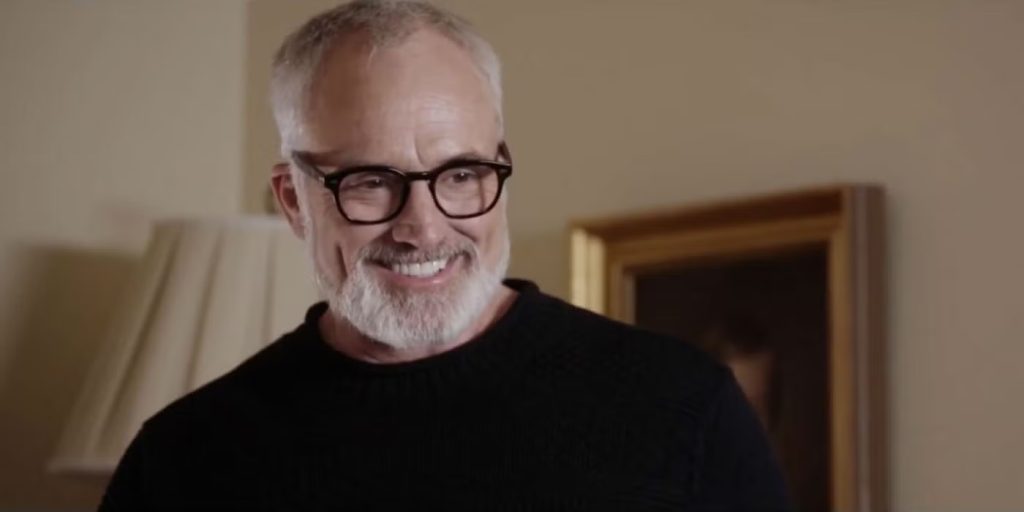
#2 Dean, Get Out
Racism comes in many forms, as Jordan Peele’s Get Out highlights. The Armitage family’s microaggressions quickly become macroaggressions, more than justifying Chris’ revenge slayings. While this whole portion of the movie is immensely satisfying, Dean’s death might just be the most cathartic. This is because he is killed via the antlers of a stuffed deer head. Chris uses the family’s penchant for laying claim to their prey’s bodies against them with this perfectly violent metaphor.

#1 Adrian, The Invisible Man (2020)
Here we have the final boss of Toxic Horror Boyfriends. This man is so heinously abusive that he fakes his own death in order to torment his ex even more. Cee using his own invisibility suit against him to stage his death by suicide is perfectly fitting revenge.

I was late to the Radio Silence party. However, I do not let that stop me from being one of the loudest people at the function now. I randomly decided to see Ready or Not in theaters one afternoon in 2019 and walked out a better person for it. The movie introduced me to the work of a team that would become some of my favorite current filmmakers. It also confirmed that getting married is the worst thing one can do. That felt very validating as someone who doesn’t buy into the needing to be married to be complete narrative.
Ready or Not is about a fucked up family with a fucked up tradition. The unassuming Grace (Samara Weaving) thinks her new in-laws are a bit weird. However, she’s blinded by love on her wedding day. She would never suspect that her groom, Alex (Mark O’Brien), would lead her into a deadly wedding night. So, she heads downstairs to play a game with the family, not knowing that they will be hunting her this evening. This is one of the many ways I am different from Grace. I watch enough of the news to know the husband should be the prime suspect, and I have been around long enough to know men are the worst. I also have a commitment phobia, so the idea of walking down the aisle gives me anxiety.

Grace Under Fire
Ready or Not is a horror comedy set on a wealthy family’s estate that got overshadowed by Knives Out. I have gone on record multiple times saying it’s the better movie. Sadly, because it has fewer actors who are household names, people are not ready to have that conversation. However, I’m taking up space this month to talk about catharsis, so let me get back on track. One of the many ways this movie is better than the latter is because of that sweet catharsis awaiting us at the end.
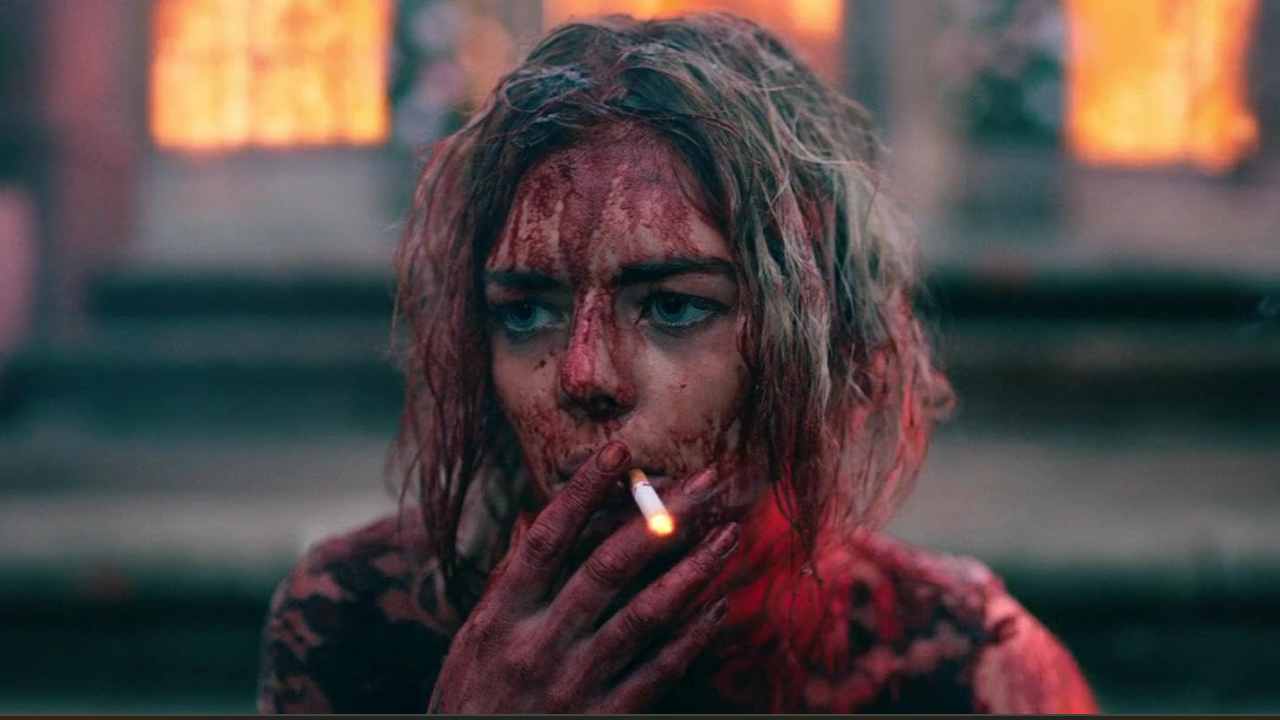
This movie puts Grace through it and then some. Weaving easily makes her one of the easiest final girls to root for over a decade too. From finding out the man she loves has betrayed her, to having to fight off the in-laws trying to kill her, as she is suddenly forced to fight to survive her wedding night. No one can say that Grace doesn’t earn that cigarette at the end of the film. As she sits on the stairs covered in the blood of what was supposed to be her new family, she is a relatable icon. As the unseen cop asks what happened to her, she simply says, “In-laws.” It’s a quick laugh before the credits roll, and “Love Me Tender” by Stereo Jane makes us dance and giggle in our seats.
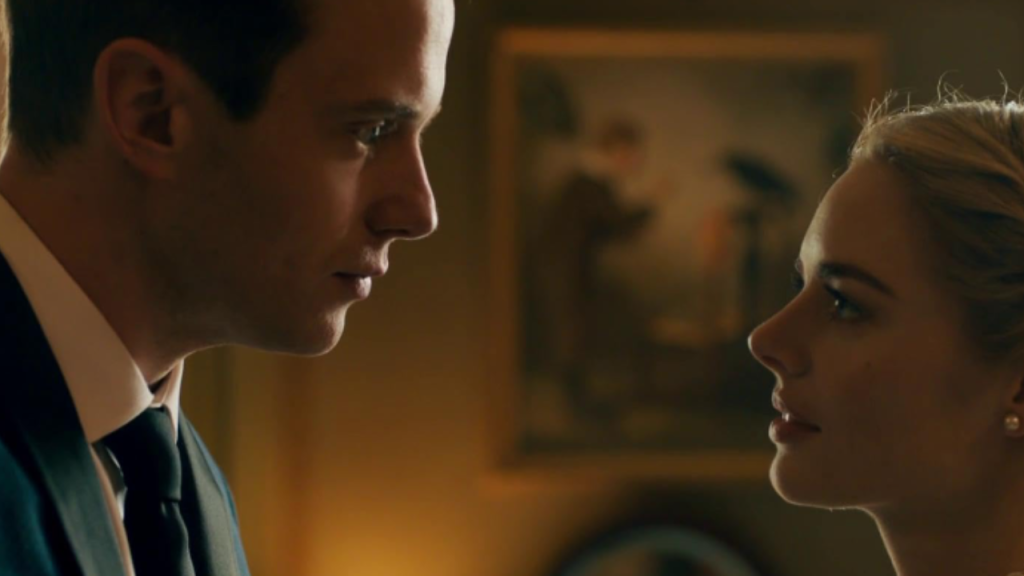
Ready or Not Proves That Maybe She’s Better Off Alone
It is also a moment in which Grace is one of many women who survives marriage. She comes out of the other side beaten but not broken. Grace finally put herself, and her needs first, and can breathe again in a way she hasn’t since saying I do. She fought kids, her parents-in-law, and even her husband to escape with her life. She refused to be a victim, and with that cigarette, she is finally free and safe. Grace is back to being single, and that’s clearly for the best.
This Guy Busick and R. Christopher Murphy script is funny on the surface, even before you start digging into the subtext. The fact that Ready or Not is a movie where the happy ending is a woman being left alone is not wasted on me, though. While Grace thought being married would make her happy, she now has physical and emotional wounds to remind her that it’s okay to be alone.
One of the things I love about this current era of Radio Silence films is that the women in these projects are not the perfect victims. Whether it’s Ready or Not, Abigail, or Scream (2022), or Scream VI, the girls are fighting. They want to live, they are smart and resourceful, and they know that no one is coming to help them. That’s why I get excited whenever I see Matt Bettinelli-Olpin and Tyler Gillett’s names appear next to a Guy Busick co-written script. Those three have cracked the code to give us women protagonists that are badasses, and often more dangerous than their would-be killers when push comes to shove.

Ready or Not Proves That Commitment is Scarier Than Death
So, watching Grace run around this creepy family’s estate in her wedding dress is a vision. It’s also very much the opposite of what we expect when we see a bride. Wedding days are supposed to be champagne, friends, family, and trying to buy into the societal notion that being married is what we’re supposed to aspire to as AFABs. They start programming us pretty early that we have to learn to cook to feed future husbands and children.
The traditions of being given away by our fathers, and taking our husbands’ last name, are outdated patriarchal nonsense. Let’s not even get started on how some guys still ask for a woman’s father’s permission to propose. These practices tell us that we are not real people so much as pawns men pass off to each other. These are things that cause me to hyperventilate a little when people try to talk to me about settling down.
Marriage Ain’t For Everybody
I have a lot of beef with marriage propaganda. That’s why Ready or Not speaks to me on a bunch of levels that I find surprising and fresh. Most movies would have forced Grace and Alex to make up at the end to continue selling the idea that heterosexual romance is always the answer. Even in horror, the concept that “love will save the day” is shoved at us (glares at The Conjuring Universe). So, it’s cool to see a movie that understands women can be enough on their own. We don’t need a man to complete us, and most of the time, men do lead to more problems. While I am no longer a part-time smoker, I find myself inhaling and exhaling as Grace takes that puff at the end of the film. As a woman who loves being alone, it’s awesome to be seen this way.

The Cigarette of Singledom
We don’t need movies to validate our life choices. However, it’s nice to be acknowledged every so often. If for no other reason than to break up the routine. I’m so tired of seeing movies that feel like a guy and a girl making it work, no matter the odds, is admirable. Sometimes people are better when they separate, and sometimes divorce saves lives. So, I salute Grace and her cathartic cigarette at the end of her bloody ordeal.
I cannot wait to see what single shenanigans she gets into in Ready or Not 2: Here I Come. I personally hope she inherited that money from the dead in-laws who tried her. She deserves to live her best single girl life on a beach somewhere. Grace’s marriage was a short one, but she learned a lot. She survived it, came out the other side stronger, richer, and knowing that marriage isn’t for everybody.


‘Night Patrol’ Review: Vampiric Cop Horror Undone by Messy Execution

The 10 Most Satisfying Deaths in Horror Movies

‘28 Years Later: The Bone Temple’ Review: Nia DaCosta Has the Cure

The Horror Press Podcast Episode 54: Heated Rivalry & Yahtzee

‘Sleepy Hollow’ Review: Seeing Really Is Believing

‘Ready or Not’ and the Cathartic Cigarette of a Relatable Final Girl

‘Carrie’ Review: A Look At Two Adaptations

The Best Horror You Can Stream on Shudder in January 2026

The Best Horror You Can Stream on Netflix in January 2026

‘The Taking of Deborah Logan’ Review: An Overlooked Gem

‘The People Under the Stairs’ Review: A Brilliantly Bizarre Horror Classic

Slappy Was the Blueprint: How the Dummy from Goosebumps Became A Horror Icon

‘Five Nights at Freddy’s’ and The Story of William Afton Explained

Glen and Glenda: Don Mancini’s Reverence for Queerness in ‘Seed of Chucky’ (2004)

‘Truth or Dare’: Who Did it Best?

V/H/S Franchise Ranked, Best to Worst

Everything You Need to Know About Jason Voorhees

The 11 Most Disturbing Horror Movies Ever, According to an Actual Horror Fan

[REVIEW] ‘Cherry Falls’ (1999) Brittany Murphy Shines in This Cult Classic Slasher
