

TV
How ‘Torchwood’ Formed an Unexpected Gateway to Horror
As a repressed teen with a burgeoning interest in horror and a big lesbian awakening coming her way a decade later, Torchwood was something of a foundational show for me. It was one of the first pieces of media I can remember watching that made me question the concept of heterosexuality as the default setting. It was far from perfect in its presentation of this concept, but it was better than I was getting elsewhere.
And best of all, it could be scary. I was hooked.


Like a lot of nerdy kids growing up in Britain in the early 2000s, I had a major Doctor Who phase. During showrunner Russel T. Davies’ first tenure (2005–2010), I watched each new episode religiously, had action figures lined up along my windowsill, and even got some artwork featured on the kid-friendly companion show Totally Doctor Who (2006–2007). Yeah, I was just that cool.
My dad, a life-long science-fiction fan, was fully supportive of this phase and didn’t bat an eye as I rolled seamlessly into watching Torchwood, Who’s adult spin-off show, when it arrived on BBC Three in 2006. But while he would occasionally sit down with me for an episode of Doctor Who, he wasn’t particularly interested in Torchwood, so I watched it alone in my bedroom, unsupervised and unexamined.
How Torchwood Led Me to the World of Horror
I’m grateful for that. If my parents had looked a little closer at the show, I doubt I would have made it past the first episode, because Torchwood started as it intended to continue: splattered with blood and pretty damn queer.
As a repressed teen with a burgeoning interest in horror and a big lesbian awakening coming her way a decade later, Torchwood was something of a foundational show for me. It was one of the first pieces of media I can remember watching that made me question the concept of heterosexuality as the default setting. It was far from perfect in its presentation of this concept, but it was better than I was getting elsewhere.
And best of all, it could be scary. I was hooked.
“Modern” Talk and Subversive Stereotypes
When Doctor Who made its triumphant return to British screens in 2005, I was 12, living in a small, insular town on the east coast of Scotland. Homophobia ran rampant in my high school and the community at large. When I look back on my lonely, confused teenage years and wonder why I didn’t realize I was queer sooner, the answer is painfully clear. It was easier to hide, even from myself.
The British television landscape didn’t help. Queerness was largely absent on mainstream TV at the time; where it did appear, it was typically presented for laughs. Some of those jokes are still funny. Many cut deep, even now.
Openly gay showrunner Russel T. Davies certainly wasn’t afraid to insert queer jokes into Doctor Who and, later, Torchwood. But the humor tended to stem from the absurdity of homophobia, rather than coming at the expense of the queer characters themselves. In the Who episode “Gridlock” (2007), for instance, an elderly lesbian chastises Thomas Kincade Brannigan (Ardal O’Hanlon) for insisting on calling her and her wife “sisters,” with Brannigan responding that they should “stop that modern talk — I’m an old-fashioned cat.” The episode is set five billion years in the future on the planet of New Earth and Brannigan, a humanoid cat, is in an inter-species relationship with a human woman with whom he’s had a little of kittens. But two women being married? Still considered “modern talk.” Good fun.
But Davies’ queer influence on Doctor Who went much further than jokes. With the introduction of Captain Jack Harkness (John Barrowman) in the very first season of the revival, Davies gave Who not only its first-ever openly queer character, but a horny “omnisexual” who subverts stereotypes by looking and acting like an archetypal masculine hero, all while flirting with everyone in sight. Harkness even kisses both Rose (Billie Piper) and the Doctor (played at the time by Christopher Eccleston) on the mouth before his heroic self-sacrifice in “The Parting of the Ways” (2005).
As Davies told Pink News in 2020, he was “thirsty for that kind of material” growing up — and he clearly wasn’t the only one. Captain Jack immediately grew a fan following, making him the obvious candidate for a spin-off show.
That show is Torchwood, which continues Jack’s story following his death, resurrection, and realization that he has become accidentally immortal. Believing the Doctor can “fix” him, Jack hunkers down in Cardiff to await the Doctor’s inevitable return, joining and later leading the Torchwood Institute — an organization set up by Queen Victoria to defend the Earth against alien and supernatural threats — along the way.
With a presumed adult audience, Torchwood was able to turn the queer dial up several notches. But it also leaned harder into the horror elements that the more family-friendly Doctor Who could only flirt with.

Blood and Bodies (and BBQ Sauce)
After a brush with Halloween (1978) when I was far too young, it took me years to build up the courage to start watching horror movies again, despite my growing fascination with the genre. To ease the transition, I read a lot of scary books, looked at the pictures on horror DVD cases, and watched Torchwood.
Torchwood is not a horror-forward series, but it certainly has its moments. The debut episode, “Everything Changes” (2006), sees an alien creature with a face “like Hellraiser” ripping a custodian’s throat out with its teeth, sending gouts of blood spurting in every direction. The third season, known as “Children of Earth” (2009), deals with an alien threat demanding that the human race hands over 10% of its kids, claiming they will “live forever.” When we get a glimpse of the fate that awaits them, the image is truly nightmarish.
And then there’s “Countrycide” (2006), an early episode that feels like a Welsh folk horror take on The Hills Have Eyes (the remake of which was released earlier the same year), complete with corpses stripped down to bloody skeletons and a fridge full of human meat. The true horror of the episode? There appears to be no alien influence at play. When the traumatized Gwen Cooper (Eve Myles) demands an explanation for the murder and cannibalism, the all-too-human ringleader provides one that offers no catharsis or comfort, saying he did it “‘cause it made [him] happy.”
Sure, Torchwood could also be supremely silly — see the sexy Cyberwoman slathered in BBQ sauce getting pecked at by a pterodactyl (“Cyberwoman,” 2006). But I can’t deny that the series sparked my creepy curiosity. Episodes like “Countrycide” made me eager to seek out the films that influenced the writers. I also tracked down several of the series’ tie-in books, which could be even more explicit in their gore. Andy’s Lane’s Slow Decay (2007), involving an alien tapeworm that makes its hosts so hungry they’ll eat anything — rats, other humans, even their own flesh in a pinch — has always stuck with me.
What I appreciate most about Torchwood in hindsight, however, is not its willingness to show blood, which Doctor Who has always been squeamish about, but the way it challenged my small-town understanding of sexuality as a teen.

Quaint Little Categories and Problematic Queers
Jack Harkness’s sexuality was no secret going into Torchwood, so it’s no surprise that showrunners Chris Chibnall and Russell T. Davies seized the opportunity to delve deeper into this aspect of his character. In the second episode, “Day One” (2006), Torchwood’s medic, Owen Harper (Burn Gorman), comments that the only thing they know about the mysterious Jack is that he’s gay, because “period military is not the dress code of a straight man.” Tech wiz Toshiko Sato (Naoko Mori) challenges this narrow notion, noting that Jack will “shag anything if it’s gorgeous enough.” Jack, who was born in the 51st century, later teasingly chastizes his team for their limited 21st-century understanding of sexuality: “You people and your quaint little categories.”
Like Davies’ Who before it, Torchwood does not relegate Jack’s queerness to mere words. Throughout the series, we see him engaged in a will-they-won’t-they flirtation with Gwen in between making out with multiple men, from the closeted World War II captain (Matt Rippy) whose name he stole, to former-lover-turned-enemy Captain John Hart (Buffy the Vampire Slayer’s James Marsters). By season two, Jack is getting hot and heavy with Torchwood team member Ianto Jones (Gareth David-Lloyd). In the final season, “Miracle Day” (2011), he has same-gender sex scenes that were heavily edited for the UK broadcast and lambasted by bigots.
And Torchwood isn’t content to place all its queerness in Jack’s basket, though it struggles to handle its other characters’ sexualities with as much nuance. Owen, Toshiko, and Gwen all have queer encounters throughout the first season, with some even resulting in sex. None of these are what I’d call particularly good representation, however, especially by modern standards; all involve predatory elements and none are ever mentioned again, with the characters going back to exclusively heterosexual relationships afterward. The show’s understanding of gender was also limited, with the episode “Greeks Bearing Gifts” (2006) even shoehorning in an uncomfortably unfunny joke at the expense of an unseen trans character.
But it wasn’t all bad. By far, Torchwood’s best representation outside of Jack comes in the form of the aforementioned Ianto Jones.

Ianto Jones and Coming Into Your Queerness
Ianto undergoes a major evolution during his run on Torchwood, starting out as the unassuming “tea boy” and gradually growing more emboldened, funny, and heroic. At the same time, he’s coming to terms with the idea that he’s not as straight as he (and the audience) originally thought.
At the outset of the series, Ianto is trapped in a doomed relationship with a woman partially converted into a Cyberwoman. But as Torchwood’s first season progresses, Ianto begins to flirt with Jack; the two are implied to have hooked up in “They Keep Killing Suzie” (2006), with season two’s debut, “Kiss Kiss, Bang Bang” (2008), making their relationship official as Jack asks Ianto on a date. Gwen later walks in on a steamy, shirtless moment between the two in the episode “Adrift” (2008).
By the time the third season rolled around in 2009, Torchwood’s already slight core cast had been decimated, creating more space for exploration of Ianto’s relationship with his newfound queerness. The season opens with Ianto nervously exhilarated by the idea that people recognize him and Jack as a couple. When Jack asks if it matters, Ianto admits it’s “all a bit new to [him].” Later in the same episode, in response to his sister asking him if he has “gone bender” (a British slang term for gay, usually used as an insult), Ianto explains that “it’s weird. It’s just different. It’s not men, it’s… It’s just him. It’s only him.”
While I know plenty of bisexuals who aren’t thrilled by the trope of a character only being attracted to one specific person of the same gender, the idea that you might not know you’re queer until you know really struck a chord with me. Years later, when I came to the gradual realization that I was a lesbian in my early 20s, I thought of Ianto Jones. There was no singular dashing Captain who unlocked my queerness. But it was all a bit new to me, too.
Ianto sadly did not survive the season. Following the grand tradition of burying your gays (and Torchwood’s own compulsive need to murder most of its cast), “Day Four” ends with Ianto dying in Jack’s arms, heartbreakingly telling the immortal man that “In a thousand year’s time, you won’t remember me,” with Jack promising that “I will.”
Fans remember him, too. A shrine to Ianto Jones exists in Cardiff Bay to this day.

Torchwood was Flawed Yet Formative — and Often Very Fun
I never finished Torchwood. By the time the fourth and final season rolled around, I was preparing to leave for university, had already dropped off Doctor Who, and was slowly graduating to more explicit horror media. Torchwood wasn’t what I needed anymore, especially in its newly Americanized form. I watched a few episodes but never found out how it ended.
A few years later, I would kiss a woman for the first time, and a few years after that I would finally admit to myself that yes, I was queer (duh). Another deeply queer, horror-tinged TV series, Hannibal (2013–2015), would play a crucial role in that self-acceptance, helping me find a queer community that made it easier to finally come out.
But for all its flaws and problematic tropes and BBQ-slathered sexy Cyberwomen, I can’t deny that Torchwood played a role, too.


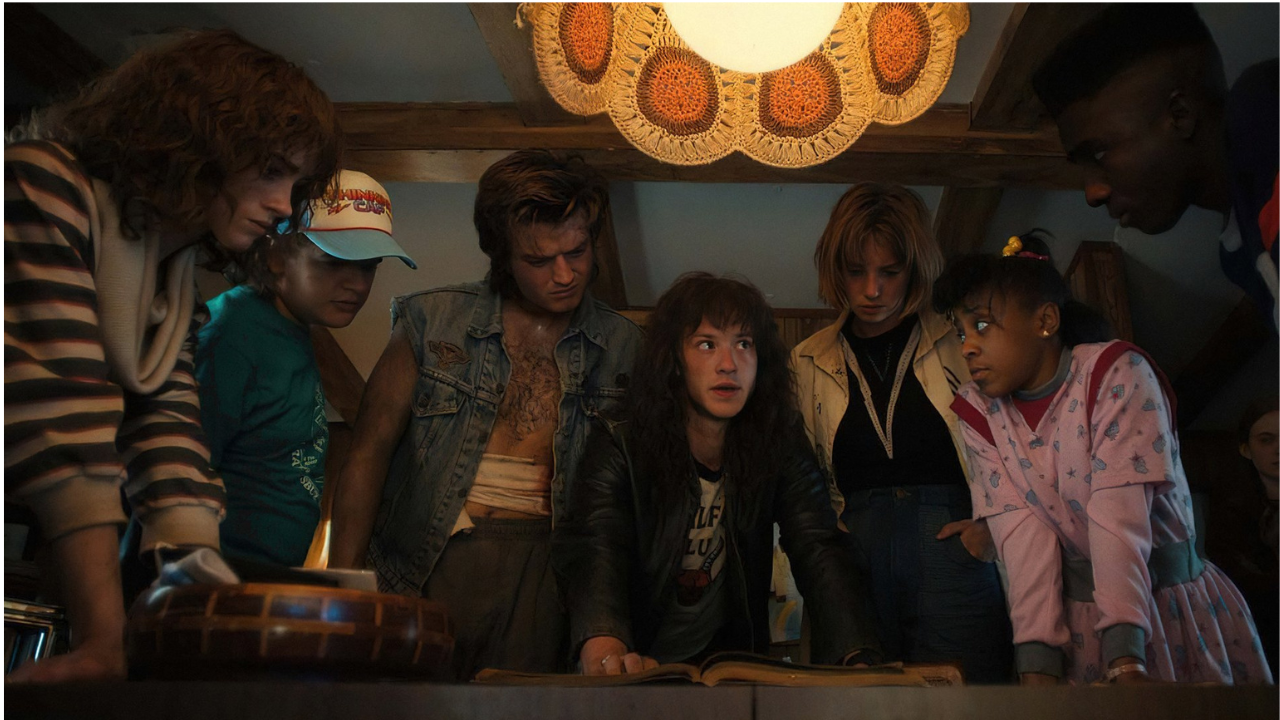
Now that we are heading into the last season of Stranger Things, it is hard to not remember the good times. Much like any goodbye, it feels too soon and is giving us a case of the nostalgia glasses. We all know that not all seasons were created equally. Yet, the wildly popular series managed to keep enough of us invested these last 10 years. It is an undeniable pop culture sensation that will not be forgotten anytime soon. It is also honestly one of the few shows that makes it hard to break up with Netflix. So, I decided to look back and highlight the best parts of each season. Grab a “Justice for Barb” t-shirt and take this walk down memory lane with me.
Our Favorite Moments From Stranger Things
Season 1: Eleven
Season one of Stranger Things brought us many memorable moments that reshaped pop culture. Joyce Byers’ (Winona Ryder) makeshift Ouija board on the wall, used to communicate with her missing son, was a major one. However, this was also the only season that allowed Eleven (Millie Bobby Brown) to be a badass. Which is why she is the best part of Stranger Things’ first season. Watching her showcase her powers as she sought out waffles was a mood. A relatable queen if there was one, right? From using her telekinetic powers to stop annoying diner fans to flipping vans chasing after her and the crew, this season set Eleven up to be a powerful badass. That is even before we get into her mind tricks, which we still have some questions about. Sadly, subsequent seasons have yet to follow through on the promise this one gave us. I could write a whole series about how Eleven is a reservoir of untapped potential in the next three seasons.
Season 2: Steve and Dustin
I think Max (Sadie Sink) is one of the best additions to the show, and I felt Bob (Sean Astin) deserved a better arc. However, only one arc warms my cold little heart when I think about this second season. Few things bring as much joy to Stranger Things fans as the unshakable bond between Steve and Dustin. Season 2 is where this unlikely duo found each other, and that is why they are the best part of this season for me. Steve (Joe Keery) and Dustin (Gaten Matarazzo) bring out the best in each other. Interestingly enough, the actors seem to have also found themselves formidable scene partners. Whether Dustin is bringing Steve up to speed or Steve is giving Dustin tips on how to handle girls, these two stole our hearts at multiple points this season. My personal favorite is when Steve steps in to save Lucas from Billy the Racist, and Dustin cheers him on (while he has the upper hand). Dare I say, this relationship has become the heart of the show.
Season 3: Robin Coming Out to Steve
This season of Stranger Things introduced quite a few new characters to kill, like all the other seasons. However, Robin (Maya Hawke) seemed cooler than most, and we were silently rooting for her to make it. While her easy dynamic with Steve made us worry that she would become another part of the Steve, Nancy, and Jonathan saga, we had nothing to worry about. When Steve professed his feelings to Robin, she surprised us all and came out. This led to Steve surprising us by picking up a more age-appropriate best friend in what is one of the sweetest moments of the show. Aside from becoming Steve’s platonic girlfriend, Robin also went on to become the first openly gay character in the ridiculously large main cast. So, while this season isn’t my favorite, I’m very grateful it brought us this scene and this pairing.
Season 4: Eddie Munson Meets Erica Sinclair
Eddie Munson (Joseph Quinn) is probably part of everyone’s favorite moments from the fourth season of Stranger Things. While many people will probably cite his cafeteria entrance, his moment in the woods with Chrissy (Grace Van Dien), or the infamous “Chrissy, wake up,” those aren’t my favorite moments. Because this show taught us that Quinn is a scene thief, and he turned this season’s throwaway character into a pop culture moment, there is plenty to choose from. However, my nerdy ass’s favorite scene is when my two favorites faced off in Dungeons & Dragons.
Resident scene thief Erica (Priah Ferguson) finally found someone who could keep up with her when she showed up to this game. Watching her and Eddie match wits before getting down to an epic game of DnD that spawned numerous fan theories about how Eddie could come back for season 5 is priceless. He forced Dustin and Steve’s duo to become a trio, played Metallica’s Master of Puppets in The Upsidedown, and broke our hearts with his death. However, I choose to remember him alive and becoming begrudgingly impressed with the little girl who takes no prisoners. I would have watched them play this game for hours and lived my best nerdy life.
We’re Looking Forward to Season 5 of Stranger Things
So, those are my fondest memories from each season of Stranger Things. Feel free to let us know your favorite moments and your predictions for the fifth and final season on social media!
The first four episodes of Stranger Things: Season 5 hit Netflix on Wednesday, November 26. Let us know if you plan to watch as they air. Or if you are going to wait until the end of the year to binge the whole season.

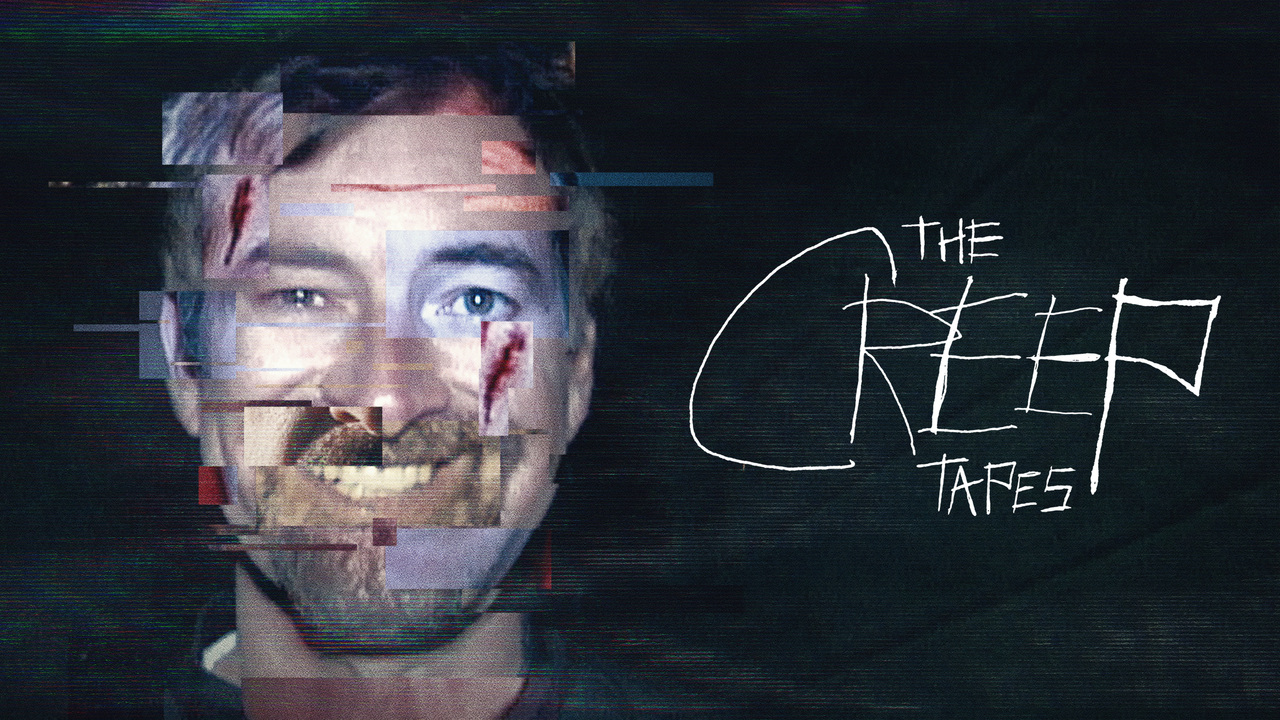
In 2014, Mark Duplass and Patrick Brice created magic with their mumblegore-adjacent found footage epic Creep. Three years later, this dreamy duo brought us the second installment of their creepy killer. Seven years would pass until Josef (Mark Duplass) would creep back into our daily lives with six truly terrifying episodes of The Creep Tapes. It would only be a short time until a second season of The Creep Tapes was announced…and even less time for a third season! The best experience I had at the Brooklyn Horror Film Festival was seeing the first three episodes of The Creep Tapes Season 2.
The Creep Tapes Season 2 Creeps Back Into the Spotlight
The Creep Tapes Season 1 was fairly straightforward throughout. It was a fantastic season (that I loved), but the majority of it was more of the same. Josef finds a victim (through various means), plays nice (and weird), goes after victim, and death. The season finale, “Mom (and Albert)”, was the first time we really got some (what seems to be) true background into Josef. From personal conversations, that episode was hit or miss. (I loved it, the dude hung dong!)
Upon hearing the news of Seasons 2 and 3, I was left wondering, will we get more background, OR will it just dive into Josef’s maniacal madness? While the first three episodes of Season 2 don’t do much to give us too much information about Josef’s background, it does up the ante considerably. Season 2 makes clear that Mark Duplass and Patrick Brice have grandiose ideas that they’re only scratching the surface of.
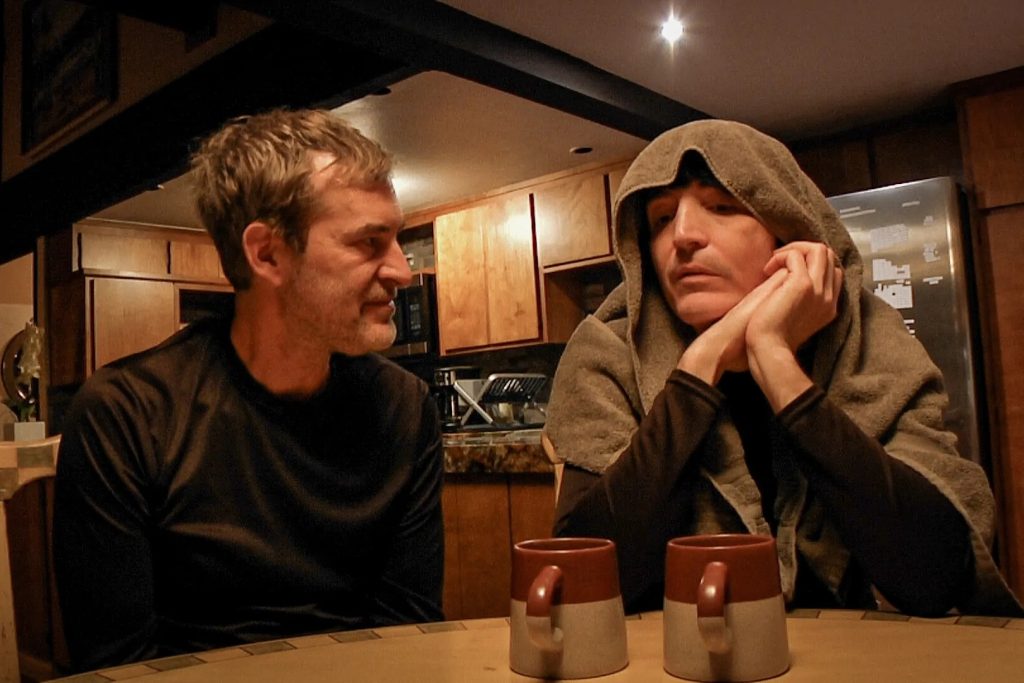
The Creep Tapes: S2 E1 “Joseph”
Imitation is the sincerest form of flattery, but what happens when the imitation is just… wrong? Josef finds himself in the sights of Joseph (David Dastmalchian), who is looking for a videographer to film a video for his unborn son, as Joseph has been diagnosed with cancer. Sound familiar?
How can someone possibly replicate the insane scenario Josef concocted in Creep? It can’t just be a coincidence—and it’s not. We come to learn that Josef has been doing something with his tapes (and films) that allows Joseph to view his work. Unfortunately for Joseph, the wrong man answered his ad.
This piece of information is crucial for understanding who (and what) Josef is. At points, he seems mentally ill, misguided, a man who just gets too damn lucky sometimes. The information gleaned reveals a much more careless, while still sophisticated, man who believes he’s creating art (of sorts). What’s the purpose of creating chaos in the modern age of technology if you can’t share it with other degenerates?
The “flip of the script” in Season 2 Episode 1 “Joseph” is a heart-racing 20-ish minutes of anticipation. I didn’t separate my butt from the edge of my seat until the credits rolled. But it’s with the casting of Joseph that the true magic of the Season 2 premiere excels. Who else can outmaniac a maniac? Of course, it has to be David Dastmalchian.
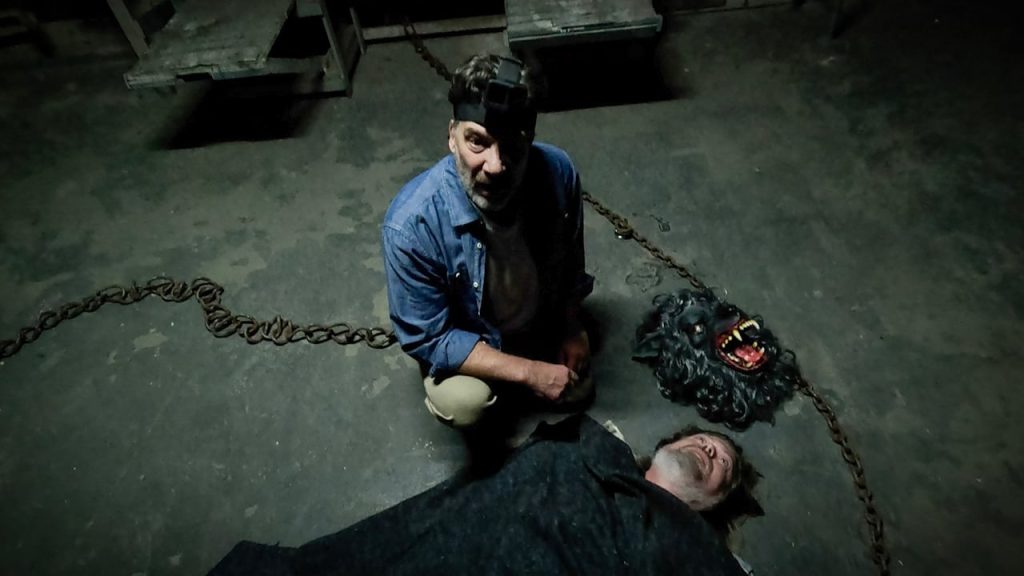
The Creep Tapes: S2 E2 “Mark”
Mark (Robert Longstreet) wakes up in a concrete room, his leg chained to the ground. A TV sits atop a table. An empty tub sits across the room. Someone lies still underneath a blanket, with a chain coming out of the bottom. And Josef accompanies Mark, leg chains and all. What could go wrong?
One of the most interesting things about Josef as a character is his ability to showcase his flaws, something that is extremely apparent in Season 2, Episodes 2 and 3. Nearly everything that can go wrong for Josef goes wrong. The reason it goes wrong is because of a simple oversight on Josef’s part. And it’s kind of heartening to see. Nearly every time we see Josef in action, he has a general grasp of his overall plan. He knows, more or less, how his targets will react, and his incredible improv skills allow him to course correct when necessary.
“Mark” just goes off the rails in ways Josef could never imagine.
Season 2, Episode 2 is Duplass and Brice’s nod at the Saw franchise. And, if anything other than a few laughs, solidifies the intense planning and expertise that goes into a John Kramer game. One simple oversight can cause a highly crafted plan to fall apart at the seams. To boot, “Mark” is one of the funniest pieces of horror media I have ever seen. It begs the question, what if an absolute dufus was put in a Saw film?
And don’t worry, bloodhounds, there’s gore aplenty!
The Creep Tapes: S2 E3 “Wes”
Wes (Diego Josef) finds himself taking a job to help Josef film a house-flipping show’s pilot episode. But night descends, and Wes realizes that they’re in the middle of nowhere. Wes’s attempted escape from Josef leads to an unfortunate run-in with law enforcement. Oh boy, how will he get out of this one?!
Even the greatest of franchises will bottom out at some point. Much of what we’ve seen Josef do involves a certain amount of suspension of disbelief. HOW is there not at least a Reddit thread about filmmakers/videographers who have gone missing after answering Craigslist ads? There is no way a 20/20 wouldn’t have been made about these killings if they were real. I mean, just look at how many tapes we see in the opening. Josef is talented at what he does, but everyone slips up eventually.
“Wes” brought me to a point where I was unable to suspend my disbelief. When AMERICAN police see someone moving a potentially dead body and don’t immediately cuff and detain them, you’re asking a bit too much. The crux of this episode revolves around a repeated word: “professionalism.” I get that it’s supposed to shine a light on how unprofessional the police are in this scenario, but it’s a step too far.
What I will say is that it’s a fun angle to take. We’re watching this killer that we’ve seen commit nearly 10 murders, and there are more we haven’t, interact face to face with the police. How will he get out of this sticky situation? I just don’t believe the way it is handled is grounded in a reality that would ever make sense. The chemistry between Wes and Josef, though, is some of the best in the entire franchise. They play off of each other incredibly well, and it makes you wish “Wes” were a feature-length film character instead of an episode character.
A Bold New Chapter for The Creep Tapes
Overall, the first three episodes of The Creep Tapes Season 2 were an overall blast. Even with the issues I had throughout “Wes”, I was entertained the entire time. “Joseph” and “Mark” are contenders for the best episodes of the entire series (and maybe even best entries in the entire franchise). I love seeing Mark Duplass and Patrick Brice spreading their wings to take Josef in different directions. They find ways to keep the product feeling original while still paying direct homage to horror properties beloved by the masses. If these are the first three episodes of Season 2, I think we’re in for a real treat with the final three.
The Creep Tapes Season 2 premieres November 14 on Shudder and AMC+.


‘Night Patrol’ Review: Vampiric Cop Horror Undone by Messy Execution

The 10 Most Satisfying Deaths in Horror Movies

‘28 Years Later: The Bone Temple’ Review: Nia DaCosta Has the Cure

The Horror Press Podcast Episode 54: Heated Rivalry & Yahtzee

‘Sleepy Hollow’ Review: Seeing Really Is Believing

‘Ready or Not’ and the Cathartic Cigarette of a Relatable Final Girl

‘Carrie’ Review: A Look At Two Adaptations

The Best Horror You Can Stream on Shudder in January 2026

The Best Horror You Can Stream on Netflix in January 2026

‘The Taking of Deborah Logan’ Review: An Overlooked Gem

‘The People Under the Stairs’ Review: A Brilliantly Bizarre Horror Classic

Slappy Was the Blueprint: How the Dummy from Goosebumps Became A Horror Icon

‘Five Nights at Freddy’s’ and The Story of William Afton Explained

Glen and Glenda: Don Mancini’s Reverence for Queerness in ‘Seed of Chucky’ (2004)

‘Truth or Dare’: Who Did it Best?

V/H/S Franchise Ranked, Best to Worst

Everything You Need to Know About Jason Voorhees

The 11 Most Disturbing Horror Movies Ever, According to an Actual Horror Fan

[REVIEW] ‘Cherry Falls’ (1999) Brittany Murphy Shines in This Cult Classic Slasher
