

Books & Comics
[INTERVIEW] Tucking Into ‘Hannibal Lecter: A Life’ with Author Brian Raftery

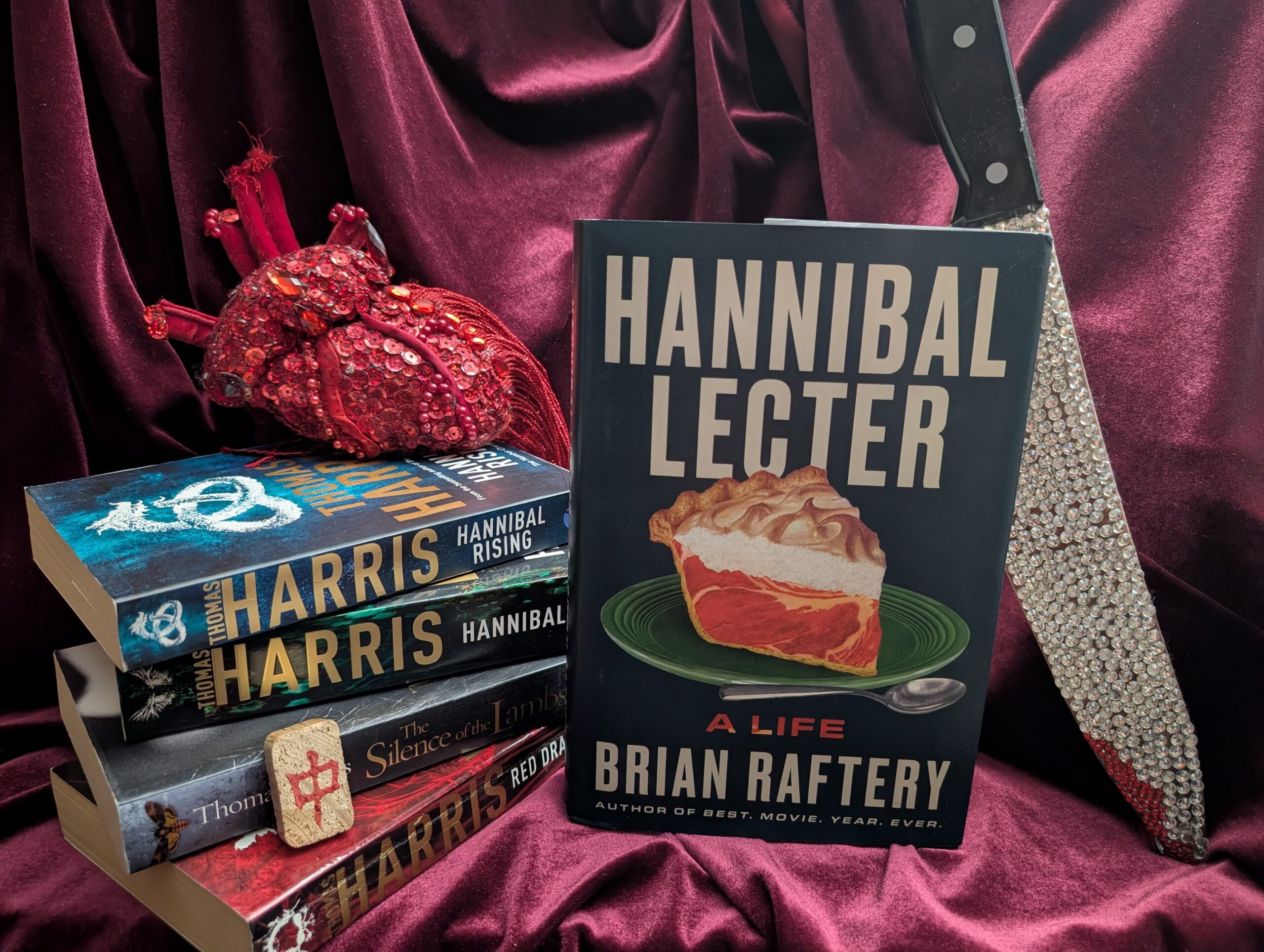
If you’ve had so much as a single conversation with me, you’ll know that I am unhealthily obsessed with the television series Hannibal. What you might not know is that I put off watching it when it first aired because I was uncertain it could match the heady thrills of The Silence of the Lambs, one of the first horror movies I ever saw and one that left an indelible mark on me. These pieces of media, along with the Thomas Harris book series upon which they’re based and early adaptation Manhunter, are cornerstones bricks in my psyche as a horror fan. So when Simon & Schuster announced that they were publishing Hannibal Lecter: A Life, I knew I needed to add a copy to my collection pronto.
Author Brian Raftery’s upcoming book is a biography of a character who may not be real, but who has taken on a life that goes far beyond, perhaps, anything his elusive creator ever planned for him. To tell Lecter’s story, Raftery dives into the archives of Silence of the Lambs’ director Jonathan Demme and conducts new interviews with key figures like Manhunter director Michael Mann and actor Brian Cox, the first person to portray Lecter on screen. He also teases out how the rise of Hannibal Lecter as an enduring antihero dovetails with the pop culture-fication of true crime—and considers why a certain politician kept mentioning the “late, great” Hannibal the Cannibal on the campaign trail.
As a self-proclaimed Hannibal Lecter stan (dare I say apologist), I had to get the chef on the phone. The following interview has been edited for clarity and conciseness, and nothing here is vegetarian.
An Early Taste of Hannibal Lecter: A Life With Brian Raftery
Samantha McLaren: Since the book is presented as a biography and you are not a character in it, I want to start with you. What is your personal history with Hannibal Lecter—where did you first encounter him in the wild?
Brian Raftery: The weird thing is, I have a very specific memory of that, which is when The Silence of the Lambs film came out. I was aware of the book—I’d seen some adults that I knew reading it—but I didn’t know what it was about. At that point, I was mostly just reading Stephen King and/or comic books and/or Rolling Stone magazine. And I remember in my eighth grade Spanish class, I was in the back not studying (which I should have been), but I was reading Peter Travers’ review of this movie [in Rolling Stone]. At that point, my horror experience was mostly kind of the classics, like the slasher movies and The Exorcist and The Omen. And I was reading this review and it was a rave, and I was like, wait a minute, this is a respectable, high-end movie about a cannibal. I couldn’t believe this existed, and I was fascinated. I read the review a couple of times.
I didn’t see the movie in the theater—I didn’t see it until it came on VHS. But I was fascinated with it for years; I watched it over and over again. I think when I first watched it, when I was 15 or 16, it was just the shock of Hannibal Lecter and how crazy these kills were. It’s one of those movies that I really remember, as a teenager, the rug being pulled from under me in terms of that ending, where you think they’re going to the house where [Buffalo Bill] is and they changed it up… But then I watched it more and more, and it was one of the first movies that I kind of started to study. It was definitely one of the first commentary tracks I ever heard or owned. They did one really early in the mid-90s when not a lot of people were doing them. And there was so much writing about it and enthusiasm for it in the 90s, it was a movie that never went away throughout the decade.
Then I read the books. I saw Manhunter and read Red Dragon. I was very excited when the Hannibal novel came out. A little less excited when I finally read it. The funny thing is, I missed a lot of the TV show. The TV show came out right after I’d had my first daughter, and I remember putting it on and being like, I can’t watch that. I was just not in the right headspace. That show is amazing to me. I can’t believe the stuff they got away with 10 years or so ago on network television—on NBC of all things, that was airing like Betty White’s competition shows at that point.
So I’ve always been fascinated by the character. He’s just one of the few villains that has never gone away. The character goes away for long stretches because the movies take a while, the books take a while, but [they’re] always circulating somewhere, unlike some horror villains who go in and out of coolness… So when we started talking about the book, I was at first interested in a book on The Silence of the Lambs, and then my editor said, why don’t we look at the Lecter character in general? That spurred the idea of doing a biography about someone who never actually lived.
How Hannibal Lecter Became a Cultural Icon Without Being Everywhere
SM: It’s a great approach because there’s a lot written individually about the different iterations, but less about the Hannibal character as a whole.
BR: The thing that’s so strange… I re-read all the novels when I started working, and it’s still shocking to me how little Hannibal Lecter there is in those first two books. It’s like 12 pages in Red Dragon. It’s wild to me. Even The Silence of the Silence is mostly a Clarice Starling book. And when you get to Hannibal… the first 100 pages is all Clarice Starling again. The fact that he’s remained so popular despite being kind of underexposed is very strange. There are very few characters who have that kind of presence with that little screen or page time for a big chunk of their career, for lack of a better word.
SM: The book reflects that aspect of Hannibal’s character in that he’s obviously the star, but there are times when he takes a back seat while you tell a broader story about the world around him and the lives he’s impacted in some way, in fiction or in real life. Was it difficult to find the right balance there?
BR: It’s interesting because there is so little on Hannibal. Even if you were to write a Wikipedia entry on Hannibal Lecter’s life and background, there’s so little about his personal life in the books until you get to Hannibal and Hannibal Rising. So I went in knowing that you can’t have Hannibal on every page, and at a certain point, I was just as interested in how the culture created and responded to Hannibal Lecter almost more than I was in the character itself, because whether you’re looking through the lens of horror or the bigger cultural impact of him, he’s really unique in the sense that he has a kind of visibility, despite not really being a guy who’s around a whole lot.
When I signed the contract for the book, I think Trump had only mentioned Lecter once or twice. And then, I’m not kidding, like two weeks later my book agent was like, I’m going to stop texting you every time he does it because he’s doing it so often now that I’d be doing it every day. That was kind of confirmation that, okay, these are people who probably haven’t watched the movies or read the books in 30 years… and he’s still an enduring punchline to so many people. Why this character? How can a president talk about Hannibal Lecter in kind of a heroic way in a way you couldn’t talk about Jason Voorhees or Michael Myers? What is it about this guy, and what was his popularity and his ascent? Where did that come from and what does it mean?
SM: There have been so many parodies and references to Hannibal Lecter in everything from children’s movies to Silence! The Musical. Was it a conscious decision to focus on the canonical, official Hannibal versus all the other ways he’s crept out into society?
BR: It’s funny. Two weeks after I turned the book in, I saw a trailer for the new Naked Gun movie last summer that had a Hannibal Lecter joke in it, and I was like oh, I should have waited until that came out! And there was a Variety story a few weeks ago that Zootopia 2 had a whole scene that was going to basically recreate Clarice and Lecter’s encounter from The Silence of the Lambs, which I thought was a pretty funny idea, and they scrapped it because they were like kids won’t have the patience for this and won’t understand it. I’m old enough to remember The Silence of the Hams, the Dom DeLuise parody. At a certain point, I was worried that if I just kept mentioning all the parodies and riffs, it would maybe distract.
I probably could have included a few more, but there were just so many of them. They kind of never stopped. For me, I was much more interested in how the success of The Silence of the Lambs back in 1991 created (along with Se7en) so many serial killer movies. I remember that I saw Copycat, that Sigourney Weaver and Holly Hunter one, at a screening in the mid-90s, and even I was kind of like, you’re gonna call this Copycat and you’re doing a serial killer movie after The Silence of the Lambs? It was just a little on the nose.
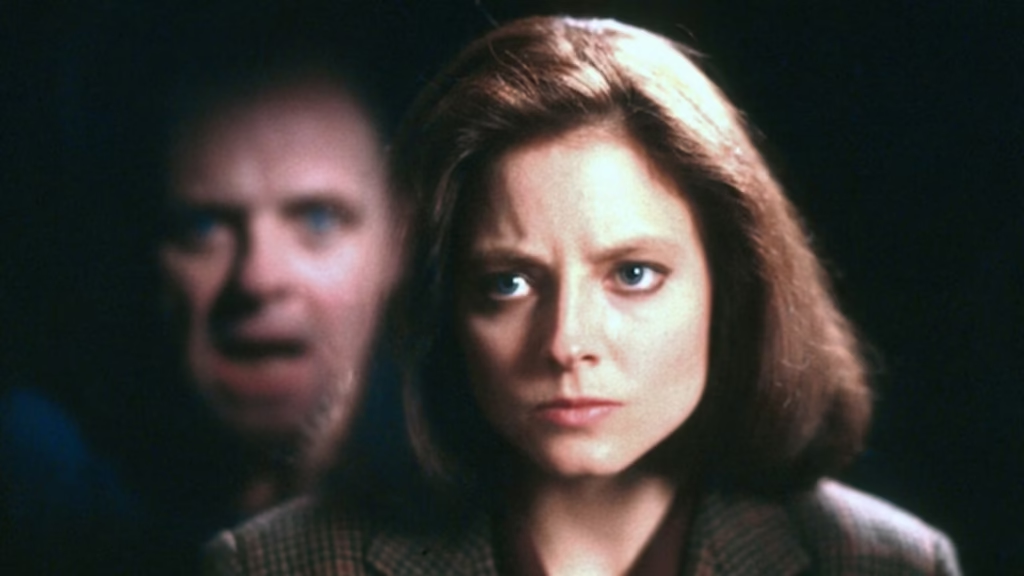
Jodie Foster as Clarice Starling, Silence of the Lambs (1991)
SM: There are a lot of Hannibal connections that are widely known at this point, but you also uncovered stories people might not know, like the women agents who helped shape Clarice. Were there any connections or details you uncovered in your research that you were especially excited to share with a wider audience?
BR: I’m totally blunt about this in the book: I could not talk with Tom Harris. He’s given three interviews, I think, in 50 years. But it meant that basically anything I could find about Tom Harris, any scrap, I had to look at it and be like, can I use this?
I was very lucky in that Jonathan Demme, who is the director of The Silence of the Lambs, and who remained friends with Harris even though he didn’t make the Hannibal sequel—his papers are at the University of Michigan. I got to go through and there was a ton of amazing stuff in there. I can’t say enough good things about the University of Michigan. These were random faxes from Tom Harris to Jonathan Demme and the producers, and there’d be little clues in there. At one point, he mentioned the names of some of the FBI agents he spoke to for the books—that’s the golden ticket.
One of them is still alive and I spoke to her for two hours. Her name is Athena Varounis. She’s fantastic, she should have her own book… She was someone who Harris met with repeatedly while writing The Silence of the Lambs. There’s also a woman named Patricia Kirby who Harris met with at least once or twice during the 80s working at the Behavioral Science Unit [who he spoke to about] being a female FBI agent. That stuff was fascinating because I didn’t know any of it, and to find the name of someone he spoke to on a handwritten fax is phenomenal as a reporter.
Even though it’s called Hannibal Lecter: A Life, to me, Clarice is equally important. I don’t think the movie The Silence of the Lambs would have taken off if it weren’t for Clarice Starling. Hannibal Lecter is not interesting to us unless we’re seeing him through Clarice Starling’s eyes, so I wanted to make sure that her story was told and how she came about. I think they’re the most perfect horror couple… It’s not a love affair, but it’s the closest two humans ever come in a movie despite (aside from brushing fingers) never touching each other.
SM: Harris is known for being elusive. If you had been able to speak to him, is there a burning question you were left with from your research that you would have loved the opportunity to ask?
BR: I had to take a lot of things on secondhand accounts or inference. What’s interesting about what serial killers informed Buffalo Bill or Hannibal Lecter is, he’s barely ever spoken on that. I mean, [former Behavioral Science Unit chief] John Douglas and the FBI have theories, and it’s clear when you look at Tom Harris’ relationship with the FBI, the agents he’s talking to and the killers they were studying, there’s connections there.
My big fascination, which is probably not everyone’s question they want to ask Tom Harris, is Hannibal Rising. With the first two movies, he wanted no involvement; he was happy to cash the checks and he would talk to Jonathan Demme if he needed to. They did the Red Dragon remake, and he was kind of involved again. And then, after proclaiming his dislike of Hollywood, he writes this screenplay and the book [for Hannibal Rising] at the same time, which any writer will tell you is a terrible idea. Every agent, every studio executive, they do not want a novelist working on a screenplay at the same time—it’s usually disastrous. The movie and the book were disappointing commercially. I want to know, how much of that was his trying to wrestle back control of the Hannibal character? Because at a certain point, the character becomes bigger than the books. It was hard to write about Hannibal Lecter without people seeing Anthony Hopkins.
I’m kind of fascinated by Hannibal Rising because it’s one of the 2000s’ most interesting failures. There’s very little documentation about. I talked to the director of the movie and found everything I could about it, but Harris did the screenplay and worked on the book—he didn’t do press. He didn’t really coordinate with a lot of people or communicate with a lot of people. So what he was thinking at the time, I can only guess.
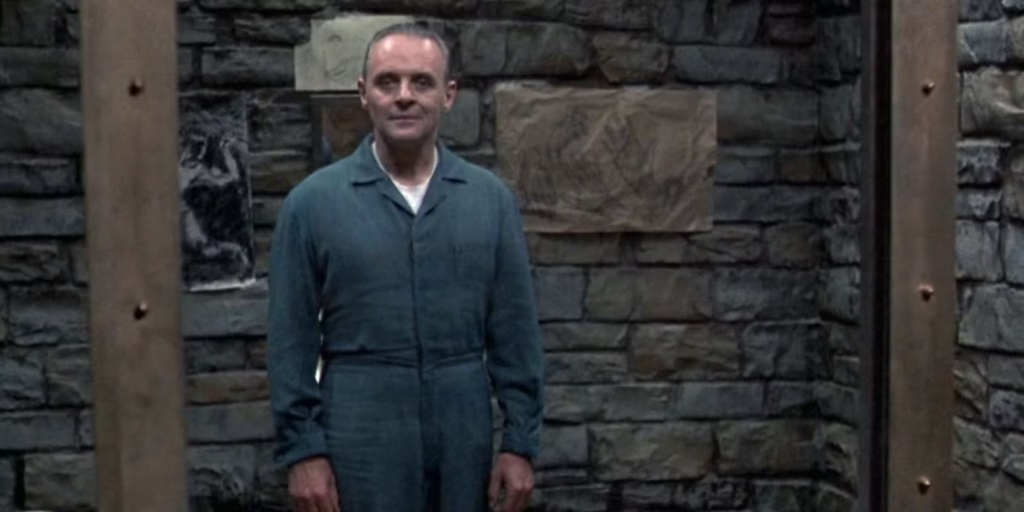
Sir Anthony Hopkins as Hannibal Lecter, Silence of the Lambs (1991)
Living With a Character Who Never Quite Goes Away
SM: You talk in the book about how engaging with the Hannibal Lecter media has a profound effect on some people, from David Lynch’s revulsion when he was initially attached to adapt Red Dragon to William Peterson feeling like he was Will Graham after filming Manhunter. Did your research and being immersed in this world have an impact on you?
BR: I’ve always been very good about separating fiction. I love the books, I love the movies—I don’t find that material particularly disturbing, but I was also not William Peterson trying to be Will Graham. It’s a different process.
What I found tough was, I’m not a true crime expert. I’ve been interested in true crime in various cases over my life, but for this, I had to really go deep on some serial killers. There were definitely days where I could get up really early and send my kids off to school and be like, I don’t want to deal with Ed Gein. I don’t want to read the Life magazine story about him, I don’t want to go through John Douglas’s FBI photos, but I did. That stuff, after a while, did start to upset me.
Anthony Hopkins went on this long drive from Utah to Pittsburg right before the filming of The Silence of the Lambs, and because he has a steel-trap memory, he at one point named for a reporter every city he stopped in along the way. And I thought, I bet there’s been a serial killer in each one of those cities. I kind of wanted to make that connection between the country he was going across to play this fictitious killer, and we have all these real killers in the country. I had a week where I was just looking through numerous local papers for unsolved murders and cold cases, and a lot of them were really grisly. I remember by Friday I was kind of like, all right, I think it’s time to watch Singing in the Rain.
It was really unpleasant… We think that the world is more violent now, but when you go back to the 60s, 70s, and 80s and go through these newspapers, there’s a lot of really terrible things going on and I didn’t need to know about every single one of them.
SM: Barring the epilogue, the book ends with the conclusion of Hannibal, the TV show. But there have been further adaptations after that, like Clarice [2021, CBS], which doesn’t feature Hannibal but is in his world. How did you decide to end it where you did?
BR: I knew that the TV show was always going to be the last chapter because I knew it was always going to be chronological in terms of where Hannibal Lecter came out. The thing that’s so remarkable to me about Hannibal the TV show is the fact that Bryan Fuller had this many episodes. He planned for many seasons and the ending they had was the ending they had to do—the show was canceled after three seasons. And it’s one of the best endings for a TV show. This could be the end of the show, or the show could have started again three months later and picked up from there.
I like the ambiguity. The idea of Hannibal falling off a cliff and you’re not entirely sure what happened to him is kind of like the ending of The Silence of the Lambs where Hannibal Lecter goes into the crowd. I wanted the book to end with Hannibal Lecter still out there in some way. It’s a biography of a character, and a character who’s still alive, not the “late, great.”
I did talk to Bryan Fuller a bit about how he would like to do a Silence of the Lambs TV series, and he’s talked about it in other interviews, but I didn’t want to speculate. I want to end with what we know about. What we know is he falls off the cliff, and there’s that coda which, of course, implies something else going on. But I like the idea that after that show went off the air, the way that Hannibal Lecter has lived in the last 10 years is in the culture somewhere. He pops up in strange places—he pops up in a Trump speech; he pops up in college courses. It’s almost like you’re waiting for him to come back in from the cold.
For all I know, Tom Harris could have another Hannibal Lecter book, because he’s surprise released almost all of these books. Maybe he’ll do it again. Maybe they’ll figure out the rights situation and who owns what and make another movie or TV series. A couple of people have asked me like, aren’t you afraid they’re going to reboot it? It’s a pretty durable character… It’s the kind of character that you can play a lot of different ways and interpret a lot of different ways.
SM: So what you’re saying is, there might be a second edition in 10 years if Harris surprise drops Hannibal V.
BR:At the least, we’ll have to do a couple of chapters.
Hannibal Lecter: A Life by Brian Raftery hits shelves on February 10. Learn more, including where to pre-order the book and upcoming appearances from Raftery, by visiting Simon & Schuster’s website.
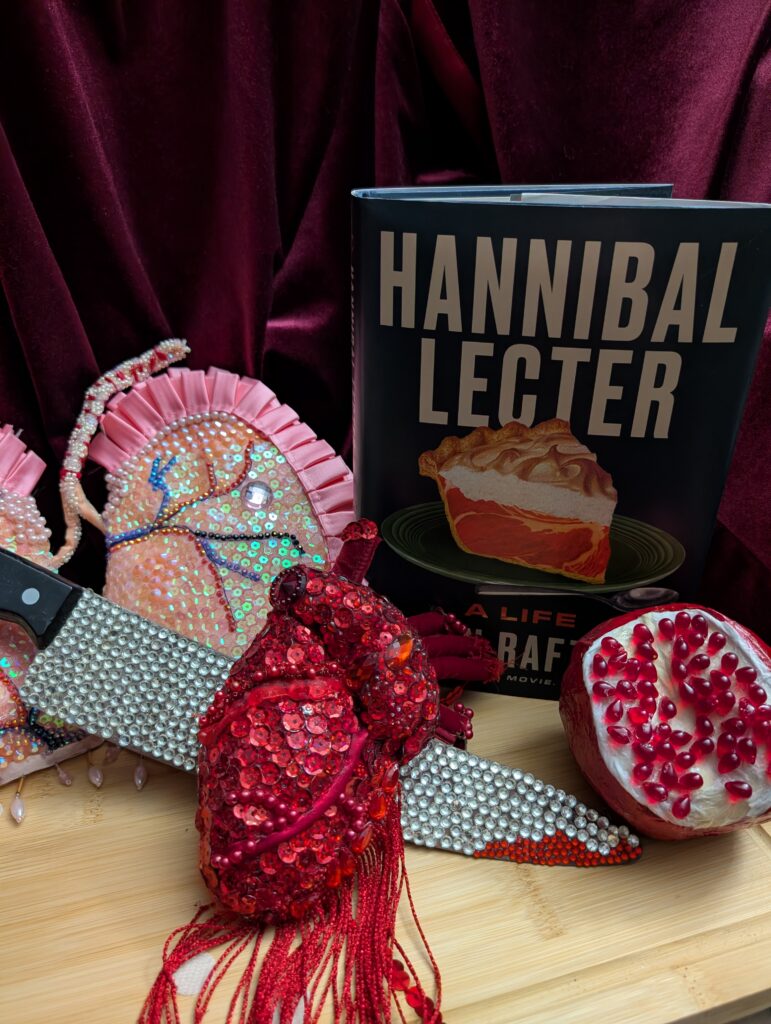
Photo taken by Samantha McLaren.


You’re reading this article on the Internet. Which means you’ve been on the Internet at least once in the past five years. Which means you know that Harry Potter author J. K. Rowling is an unrepentant, festering transphobe. What started as potentially out-of-context liked tweets has become an extremely in-context catastrophe. The situation escalated into a more and more sinister string of anti-trans screeds and monetary donations to anti-trans causes.
The Harry Potter Revival and Its Challenges
This has unfortunately coincided with the return of all things Harry Potter. Because, whatever the woman’s strengths are as a novel writer, they did not transfer over into the Fantastic Beasts screenplays. Thus, Warner Bros. has bailed on that franchise and is busy resurrecting the original novels for a prestige series. One that couldn’t possibly last the seven seasons (or reportedly 10 years), it would need to tell the story fully.
Avoiding Support for Rowling’s Causes
And, listen. I’m a millennial who grew up on the Potter books and, to a slightly lesser extent, the movies. I get how important they are to a lot of us. They’re an inextricable part of our cultural DNA. It’s OK to feel that way, and it’s even OK to re-engage with those texts. You probably already own them, or know a friend who does. Cracking one open and even enjoying it isn’t a bad thing, and it isn’t putting money in Rowling’s pocket. Money that she would almost certainly give to some organization run by bigots even more heinous than herself.
But you know what would put money in her pocket? Watching that godforsaken HBO show, for one thing. Buying those new illustrated editions, for another. Or listening to those full-cast audiobooks that Michelle Gomez had to issue a statement semi-apologizing for joining.
5 Harry Potter Alternatives for Guilt-Free Reading
It’ll become increasingly difficult to resist the temptation to check out some new cultural artifact strip-mining the Harry Potter canon. However, the moral imperative to protect and affirm our trans siblings is much more important than that temptation. To that end, I have compiled a list. Here are five books/series to scratch that Potter itch without the accompanying Rowling guilt. They’re not ranked by quality, but by how many ways they feel like a suitable replacement for the series. Find the full reading list at the end of the article!
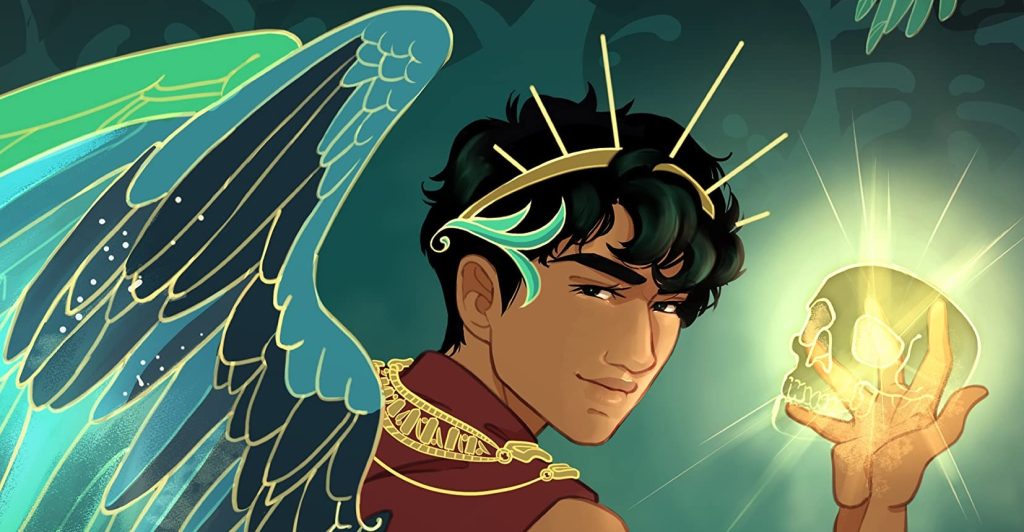
#5 The Sunbearer Duology by Aiden Thomas (2020)
These two novels by trans author Aiden Thomas are only lowest on the list because of their vibe. They draw just as much inspiration from The Hunger Games as they do Percy Jackson & The Olympians. But Percy Jackson was always a readalike for Harry Potter, no matter how much Rick Riordan protests. So there is still a good amount of Potter DNA entwined with this queer adventure duology inspired by Mexican mythology.
These books follow teenage semidioses (for those not familiar with Spanish, “demigods”) participating in a high-stakes competition. High-stakes as in the loser gets sacrificed to the god Sol. It’s got tried-and-true young adult themes of questioning authority, coming of age, and finding love both giddy and marvelously inconvenient.
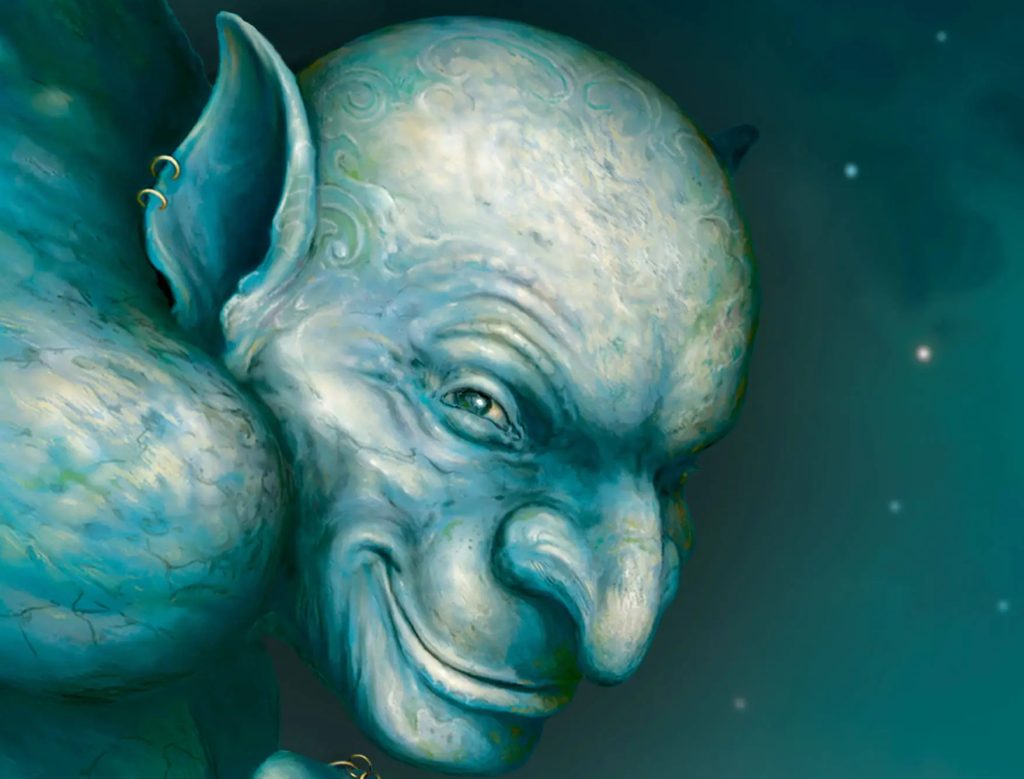
#4 The Bartimaeus Sequence by Jonathan Stroud (2003-2006)
This trilogy is probably my personal favorite fantasy series that I read as a kid. The story is told from the perspectives of multiple characters, but primarily the sarcastic djinni Bartimaeus. He imbues the trilogy with a sense of fun, even though it covers dark topics including terrorism, propaganda, and authoritarianism. It’s a text about the seduction and danger of politics and power, and it wields those themes extraordinarily well. Like all the best books for youngsters, it doesn’t talk down to them, but it’s not a grim slog either.
However, because of the story being told from the perspective of an ancient demon, it doesn’t necessarily have Potter vibes. That said, it does follow a young boy’s magical education and the hard lessons he learns as he matures. Stroud also builds the foundation of his magical world from real folklore, just like Rowling.
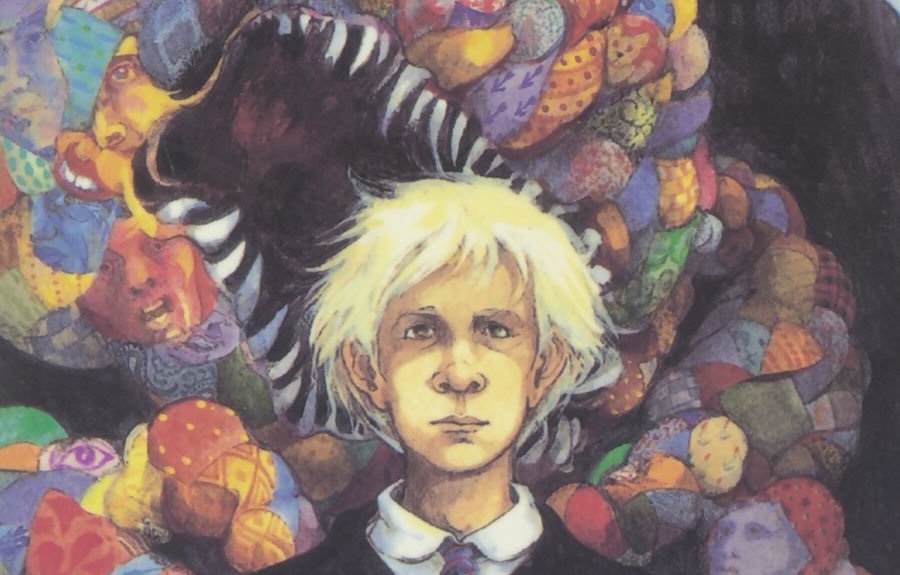
#3 Wizard’s Hall by Jane Yolen (1991)
Wizard’s Hall is in fact such a readalike for Harry Potter that many fans accused Rowling of ripping it off. Jane Yolen and I both disagree with those accusations (Rowling was much more interested in ripping off Tolkien). However, the similarities between the texts should feel like a warm bath to recovering Potter fans.
We’re talking a young man attending a school for wizards. We’re talking said schooling existing in the shadow of a dark sorcerer’s reign of terror. We’re talking school administrators expecting students to battle evils far outside their power. Yolen also provides a compelling and warmly domestic magic system, where names—particularly the names of plants—hold untold power.
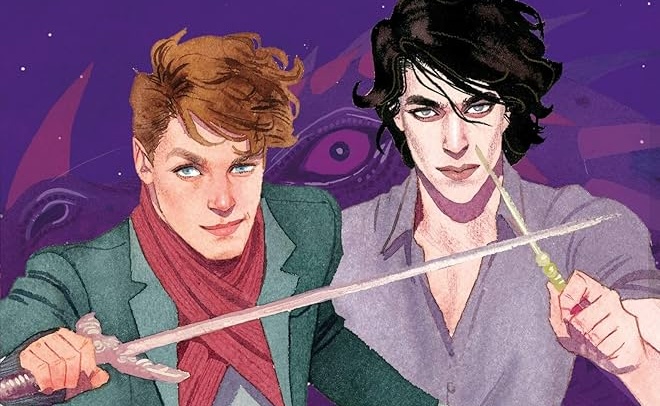
#2 The Simon Snow Series by Rainbow Rowell (2015-2021)
Now, this series was literally designed to be a Harry Potter readalike. Simon Snow was born as the Drarry-style fanfiction written by the lead character of Rowell’s 2015 novel Fangirl. However, the three Simon Snow novels are not necessarily meant to be the exact fanfiction written by the character. That said, the first installment does follow the burgeoning love between two antagonistic male students at a magic school. Rowell knows what her readers want.
Does she know how to deliver it, though? Yes and no. Frankly, I wouldn’t recommend this trilogy to fans of romance-forward stories, because I think that angle is weirdly underserved. However, Simon Snow presents a lovely world that does more than just sand the serial numbers off of Hogwarts. Rowell has invented her own linguistics-based magic system, and it is fabulous. It is an unfettered delight to get to go on adventures in this world. The fact that these adventures are viewed through the lens of off-model Potter characters makes it all the better. It’s a perfect nicotine patch for those hooked on Rowling.
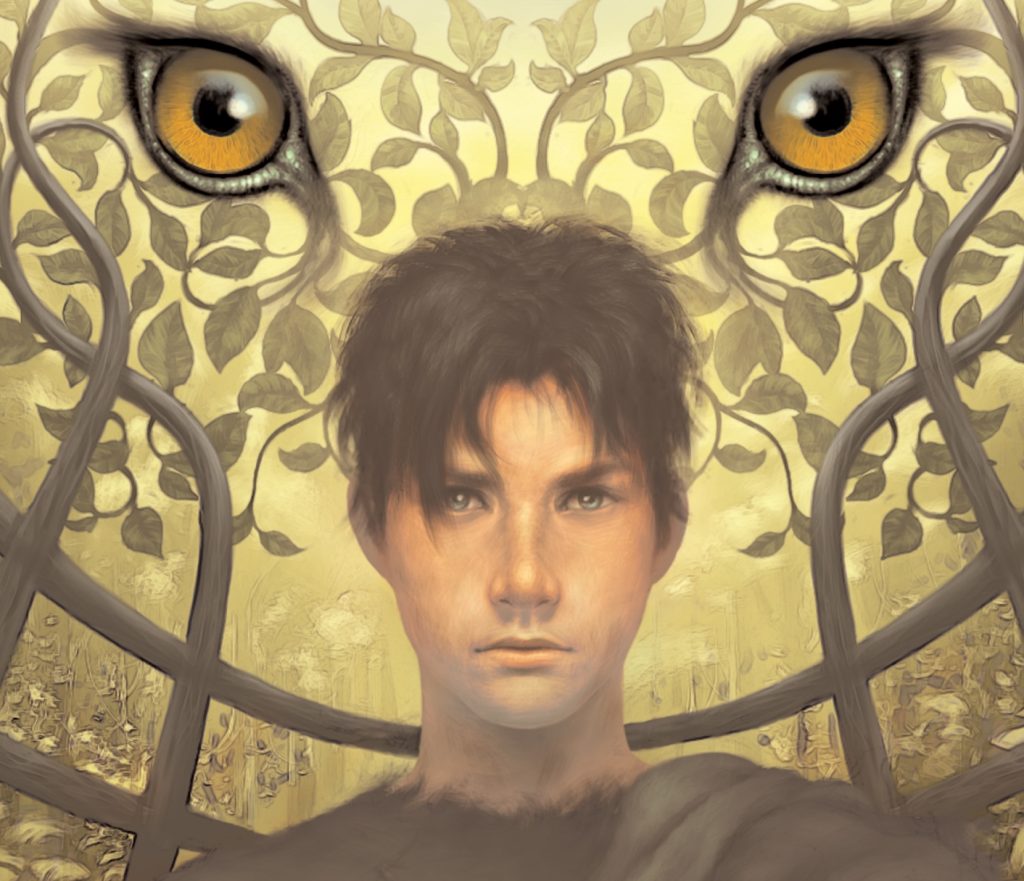
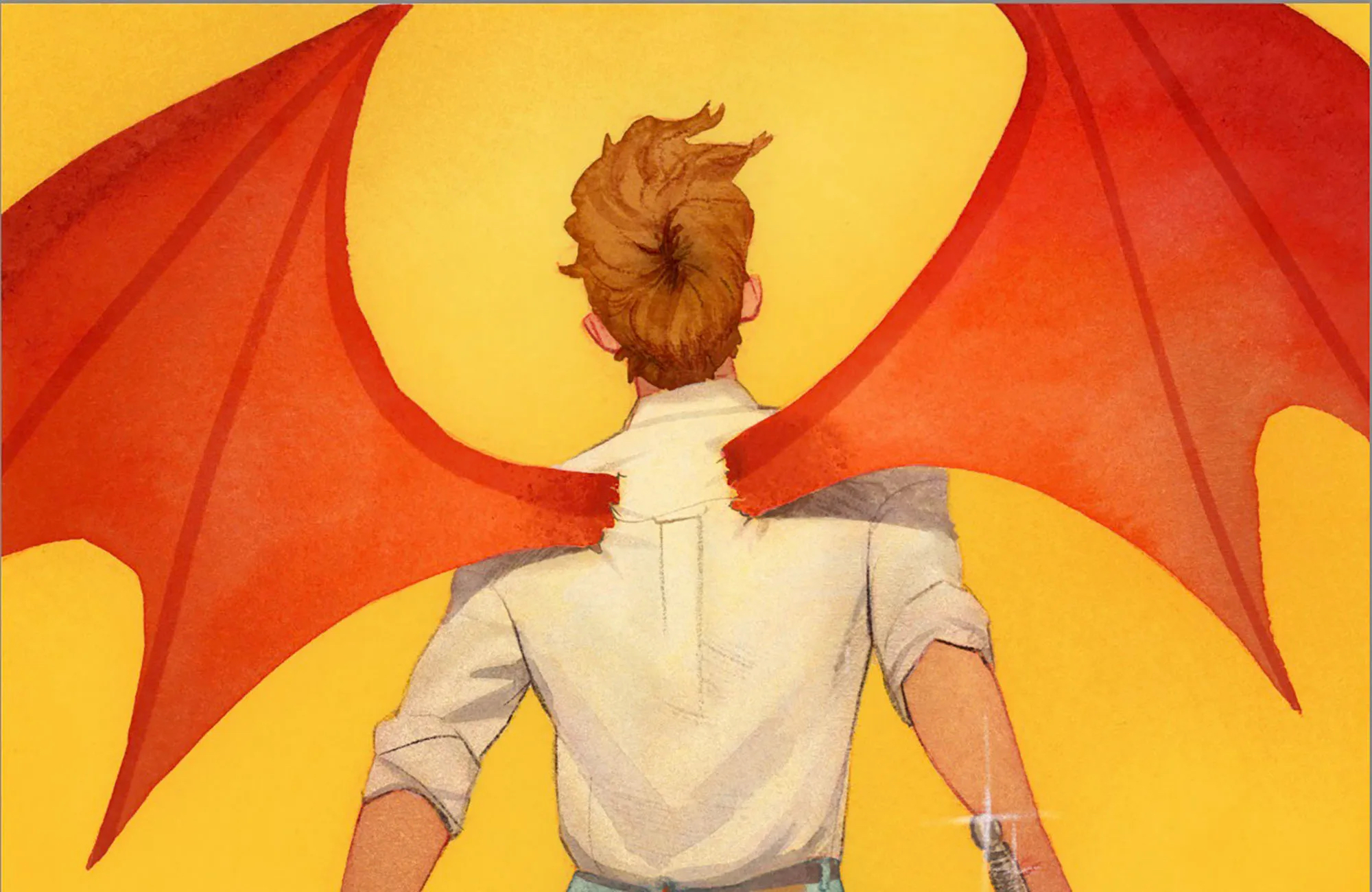
#1 Pendragon by D. J. MacHale (2002-2009)
The 10 Pendragon novels have fewer superficial connections to Harry Potter than Simon Snow or Wizard’s Hall. There’s no school of magic, for one thing. Nor is there a “dragons and folklore” vibe in the background. However, this young adult sci-fi fantasy epic is undeniably going to serve Potter fans well. I mean, come on. It follows a young man living a seemingly normal life who learns that he is part of a secret world. The stories mature as the character does, as the stakes get higher and higher. And he has two friends, one male, one female, who help him on his quest. It’ll get the job done, trust me.
This franchise is also the one that switches up its own vibe the most, to its benefit. You see, Bobby Pendragon’s a Traveler, one of the rare few with the power to access other worlds and times. This allows MacHale to present Bobby with an astonishingly wide variety of settings. He draws inspiration from everything. From Tarzan to Tron, from Waterworld to Dune, from George R. R. Martin to Al Capone, Pendragon’s got it all.
Runners-Up: Heir Apparent by Vivian Vande Velde (2002), Ella Enchanted by Gail Carson Levine (2004), Spell Bound by F. T. Lukens (2023), The Montague Siblings Series by Mackenzi Lee (2017-2021), Cemetery Boys by Aiden Thomas (2020)
Other Runners-Up That Are Sci-Fi, So They Were Never Seriously Considered, Even Though They’re Great: The Supernaturalist by Eoin Colfer (2004), The Gone Series by Michael Grant (2008-2013), The Darkness Outside Us by Eliot Schrefer (2021)
Full Reading List
The Sunbearer Duology by Aiden Thomas
The Sunbearer Trials (2022)
Celestial Monsters (2024)
The Bartimaeus Sequence by Jonathan Stroud
The Amulet of Samarkand (2003)
The Golem’s Eye (2004)
Ptolemy’s Gate (2005)
The Ring of Solomon (2010) – an inessential, but charming, prequel
Wizard’s Hall by Jane Yolen (1991)
The Simon Snow Series by Rainbow Rowell
Carry On (2015)
Wayward Son (2019)
Any Way the Wind Blows (2021)
Pendragon by D. J. MacHale
The Merchant of Death (2001)
The Lost City of Faar (2001)
The Never War (2002)
The Reality Bug (2002)
Black Water (2003)
The Rivers of Zadaa (2005)
The Quillan Games (2006)
The Pilgrims of Rayne (2007)
Raven Rise (2008)
The Soldiers of Halla (2009)


Congrats! If you’re reading this, you’re likely one of the people who saw Superman recently. And that is its own reward. You may have even contributed to its blockbuster opening weekend that raked in $122 million in sales. You’re also, like me, probably itching for the next project in James Gunn’s burgeoning cinematic DC Universe. I imagine this isn’t an article you were expecting to pop up here on Horror Press, but stick with me!
There is still a large slate of DC projects on the horizon, ranging from another season of the wildly popular animated series Creature Commandos, to an even more hotly anticipated Clayface film. Directed by James Watkins and penned by Mike Flanagan, James Gunn himself has said that 2026’s Clayface is going to be a rated-R body horror film so impressive that it would blow his work on Slither out of the water.
So, in the spirit of Clayface getting a horror villain glow up, I’d like to discuss other characters that deserve the horror treatment from DC. Because, with a catalogue rich in characters that can be just as frightening as they are colorful, there’s too much genre film potential here to ignore.

Parasite: A Life Stealing Monster Could Call Back to James Gunn’s Slither
As soon as my friend and I left our screening of Superman, a conversation about what villains we’d like to see in the sequel sprang up. Would we get a regular from Supe’s roster, like Braniac or Zod? Or a deep cut like Silver Banshee or Atomic Skull?
There is one potential antagonist I consider the creepiest of his villains: Parasite. A Superman rogue known for his ability to drain the life and powers out of any living being, most will remember him from Superman: The Animated Series. Or, if you’re like my friend, his particularly freaky portrayal by Adam Baldwin in Young Justice.
It was the talk of Parasite that reminded me of the villain in Gunn’s most iconic horror film, Slither. Michael Rooker’s role as Grant Grant, a leech of an abusive husband whose exposure to alien worms turns him into a much more literal leech, was perfectly nasty inside and out. So why not give Parasite that kind of makeover, and give us the most sadistic version of the character yet?
All I ask is for a rude, “Richard Brake in 31”-type to play him, and some Lifeforce style horror where he sucks the energy out of people until they’re withered husks. Combine that with gruesome full-body makeup to replicate his iconic chemical burned purple skin, and you’ve got gold.

Kryb: The Perfect Green Lantern Villain to Spread Fear Across the Cosmos
I have to give Geoff Johns his credit. The Lantern Corps mega-arc that he weaved into his Green Lantern run throughout the late 2000s was pure genius. I suspect with the upcoming Lanterns series on HBO, we’ll probably be meeting quite a few of his iconic characters from those comics. Atrocitus of the Red Lanterns, Larfleeze of the Orange, Saint Walker of the Blue, they’re all on the table.
But one Lantern Corps has fallen far out of the spotlight. That’s their tried-and-true nemeses: the original “Lanterns but a different color”, The Sinestro Corps. These Yellow Lanterns are supposed to be all about fear, but most writers and artists have lost sight of actually making them terrifying. If the upcoming HBO show Lanterns really does end up evoking the vibes of True Detective as its showrunners have teased, I think they should lean into that inspiration.
The one member that deserves a live action horror portrayal more than any other in this vein is Kryb. An alien witch who steals the children of her victims and keeps them in an organic cage growing out of her back, she feeds off their fear and cries for help. It doesn’t hurt that she already looks like a nightmare creature Javier Botet would portray.
Personally, I would love a massive, grotesque animatronic for Kryb blended with CGI (ala Smile 2’s Entity). She’s a fun route to take when it comes to striking fear in the hearts of Green Lanterns—and the audience.

Scarecrow: I’m Begging For Someone To Please Make Him Frightening Again
I know, I know, obvious pick. “The guy who has fear powers could be scary? How’d you come up with that one?”. But if you’re a Batman comics fan, you know that since around the time of Scott Snyder’s industry defining run on Batman, Scarecrow has been mostly relegated to a bit player on Gotham’s stage. This regrettably happens even in the storylines that should focus on him. I would even argue that his fear gas has become more iconic than he is, but it’s time to change that.
I point towards the platonic ideal of Scarecrows as a way to get him back on track: Jeffrey Combs in season 4 of Batman: The Animated Series. What I wouldn’t give to see Combs voice the character again as he terrorizes Arkham Asylum’s patients and tortures them with their worst fears. Especially with the decayed “hanged man” look that DCAU visionary Bruce Timm penned him in during season 4!
Whether it’s an animated film or a live action, a creative like Scott Derrickson is my pick to handle the character. I want to see a dark director’s vision as Dr. Johnathan Crane drives his “patients” completely mad and makes their nightmares feel real.

Etrigan the Demon: Jack Kirby’s Horror Fantasy Creation Needs an A24 Slant
If you know me in real life, I want to thank you now for letting me rave about how much I love Jack Kirby all the time. Of all his creations, one is so Kirby-esque and so perfect for an overhaul that I knew he had to be on this list from the jump: Etrigan, AKA The Demon.
Etrigan is usually an antihero in the vein of Venom, bound to his unwilling human host Jason Blood. But his stories could be taken in any number of directions, including ones before he was trapped in Blood by Merlin. (Yes, the wizard Merlin, that one.) Obviously, the direction that appeals to me most is making this hulking demon genuinely scary.
Now, a yellow demon that tends to rhyme when he speaks… I admit, on face value, it’s a hard sell. But this is the genre of Wishmaster, people, it’s the genre of Phantasm and Demon Knight! Reviewed that last one by the way, read it here.
There is a long legacy of somewhat silly horror villains who still manage to be thoroughly entertaining and even intimidating. What I would love to see is some bleak fantasy horror set dressing to accompany Etrigan; heavy inspirations from The Green Knight and The VVitch seem like a wise angle to take. It would be great to see Etrigan become a looming force that haunts its enemies as they try and find a way out, only to see death coming closer and closer.

Killer Croc: A Gotham Legend Is a Candyman-esque Villain in Waiting
In the modern vernacular, Killer Croc is a jobber. Which is a shame, because there is a lot of potential for his story that gets squandered when he’s just here to punch and be punched. While his rare mutation gave him all the powers that could have made him a hero, it also gave him the monstrous appearance of a crocodile-human hybrid. He is a character damned from birth. And ultimately, he’s a reflection of Gotham’s social inequity that condemns its citizens’ lives to the gutter.
Outcast and scorned, he became a fixture of Gotham, a boogeyman living in the sewers, and a name everyone in the city fears. In a meta-context, Croc has bounced around from series to series, mainly serving as a big man for any member of the Bat Family to knock down. And that’s fine, I guess, but he could be so much better.
My favorite Killer Croc story comes from J.H. Williams legendary (and criminally cut short) Batwoman run. In it, Croc becomes a minion of Medusa, who uses her mythological magic to make him grow larger and more monstrous the more he’s feared. A horror film with an emphasis on Croc becoming a Candyman-esque legend in Gotham over the years is what I’d like to see. Watching him grow in power as an urban legend over the years, and focusing on the kind of people who would worship and feed him new victims. The chance to actually dissect Killer Croc and make him a complicated monster screams of high potential to bring people to theaters.

Anton Arcane: A Rotten Re-Animator for All Seasons
One of the biggest casualties of the former DC Cinematic Universe’s mismanagement was the superhero horror show Swamp Thing. Due to disagreements between DC and Warner Media, and a snafu involving a promised $40 million tax rebate for shooting in North Carolina, the show was soft cancelled before it was even out of production. It was then hard cancelled a day before its second episode premiered.
Numerous fans called to save the series, but none of the requests to #SaveTheSwampThing were successful. Still, they proved there is still a serious desire to see a horror-oriented Swamp Thing property, if not on streaming than on the big screen.
As much as I love the fully practical work-up they did with actor Kevin Durand for his character Jason Woodrue, there’s one villain I really need to see in live action: Anton Arcane. Whereas Swamp Thing is a “monster” with more humanity than he can sometimes handle, Arcane is the opposite. A human monster with a knack for necromancy, consumed with a desire for corrupting power and immortality. Arcane has persisted as Swamp Thing’s archnemesis for decades for a reason.
Played in the vein of Herbert West, Arcane could be an iconic horror villain in his own right. That doesn’t even account for his Un-Men, undead flesh golems that would feel right at home in Carpenter’s The Thing. The creepy, deformed, and mismatched servants of Arcane provide plenty of opportunities for us to watch undead monstrosities do his dirty work.

Professor Pyg: A Batman Slasher with His Own Iconic Minions
Matt Reeve’s The Batman really set the standard for The Riddler going forward: less demented gameshow host, more John Doe from Seven. Speculation on sequels has shown that there’s a strong desire to see Batman’s more horror themed villains. Enter Professor Pyg.
If you played the videogame Batman: Arkham Knight, you already know him. A scientist of dubious academic standing, this surgeon has permanently fallen to madness. Wearing a chubby cheeked pig mask in and out of his experiments, he was a mainstay of Grant Morrison’s seminal run on Batman and Robin in 2009. Greasy, gag-inducing, and all around off-putting with his scalpels and saws, Pyg is basically already a slasher villain.
But it’s those experiments which serve the most obvious reason as to why we need to see him. He’s best known for creating the Dollotrons, something the game toned down: in the comics, he captures men and women alike and grafts babydoll-esque flesh masks onto their faces to turn them into bubble-headed and brainwashed psychotics.
The Penguin miniseries on HBO was a fun character study of an incredibly messed up character with Oz Cobb. It proved introspection on how these rogues get made can be captivating. But beyond the partially stable villains, I would love to see more of the parts of Gotham that are deeper in the shadows than ever, following the Riddler’s attack. That means showing us the monsters like Pyg that wash up out of the outer darkness when it was flooded. The ones who are too far gone for any sort of normal life.

Animal Man: The Body Horror Superhero We’ve Been Waiting For
My final proposal here is probably the most likely one we’ll get with James Gunn’s new DCU. Knowing the comic book characters Gunn is a fan of, I would not be surprised at all if we got an Animal Man show or movie at some point. He even commented in a recent interview with Seth Meyers that whoever he casts to play Animal Man has to be downright great.
If and when we do get the right actor, we’ll likely get something I and a lot of other horror comics fans have been clamoring for: a true, live action body horror superhero. I am of course talking about an adaptation of the New 52 miniseries, Animal Man: The Hunt. This loose requel to Animal Man, a series made famous by Grant Morrison back in the late 80s and early 90s, was arguably the best project to come out of the New 52 rebrand.
It was chock full of incredible and sometimes revolting art by comics luminary Travel Foreman, who painstakingly penned each panel in his unmistakable (and very bloody) style. The series made for an incredibly interesting dive into the mythos of where the titular hero gets his powers from, courtesy of modern comics legend Jeff Lemire.
When it comes down to who does it, I’d love Alex Garland to take a crack at adapting The Hunt. His work in Annihilation more than proves he can do justice to the trippy narrative. Whether its dealing with eldritch abominations from The Rot, the dimension of flesh and blood that is The Red, or the bone-snapping, gut-rending transformations Animal Man has to go through as he fights to save the life of his daughter Maxine, I trust him to deliver.
Or am I really just waiting and hoping for another moment like the bear scene from Annihilation? If I was, could you blame me?


[INTERVIEW] Tucking Into ‘Hannibal Lecter: A Life’ with Author Brian Raftery

‘Re-Animator’ Review: The Lasting Legacy of a Horror Comedy

‘Iron Lung’ Review: Exceptionally Atmospheric Cosmic Horror

No, Cult Cinema Isn’t Dead

‘The Ritual (2017)’ Review: When Grief Gets Gruesome

‘Wait Until Dark’ Review: A Timeless Psychological Horror Thriller

‘Return to Silent Hill’ Review: A Misogynistic Betrayal of Silent Hill 2

‘Lake Mungo’ Review: Still the Greatest Ghost Film of All Time

How ‘Child’s Play’ Helped Shape LGBTQ+ Horror Fans

‘The Cabin in the Woods’ Review: And the State of Horror

‘The People Under the Stairs’ Review: A Brilliantly Bizarre Horror Classic

‘Five Nights at Freddy’s’ and The Story of William Afton Explained

Slappy Was the Blueprint: How the Dummy from Goosebumps Became A Horror Icon

Glen and Glenda: Don Mancini’s Reverence for Queerness in ‘Seed of Chucky’ (2004)

‘Truth or Dare’: Who Did it Best?

V/H/S Franchise Ranked, Best to Worst

Everything You Need to Know About Jason Voorhees

The 11 Most Disturbing Horror Movies Ever, According to an Actual Horror Fan

[REVIEW] ‘Cherry Falls’ (1999) Brittany Murphy Shines in This Cult Classic Slasher
